Guides
Plain reference pages for the trade and the people who buy from it, built from growers' published availability and the HortOS Plant Price Index.
Plant selection and horticulture
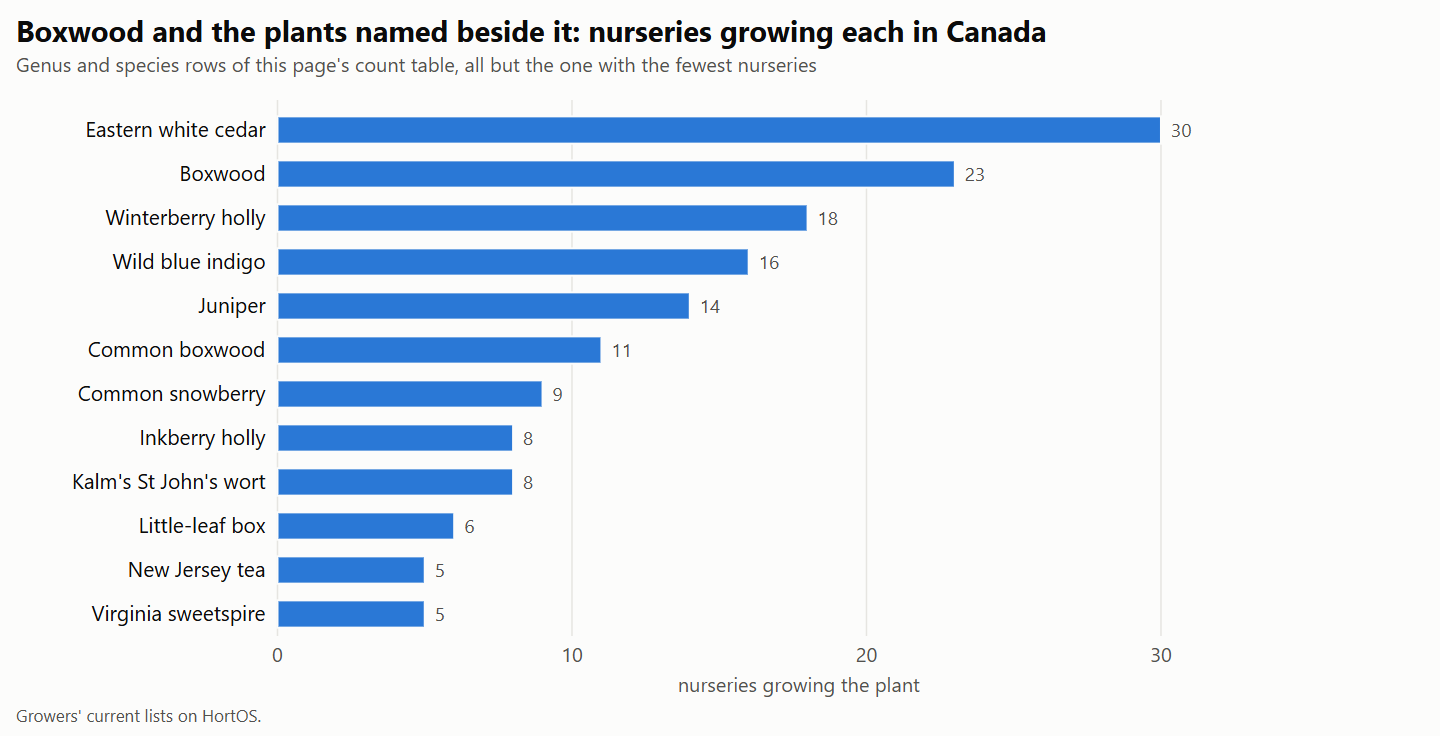
Box tree moth in Canada: boxwood rules and the plants named beside it
For landscape designers, garden clubs and stewardship groups in Canada: the provinces regulated for box tree moth, what the federal Order and directive say about moving boxwood, what Canadian bodies have published on keeping or replacing it, and how many Canadian nurseries grow boxwood and the plants two Ontario Master Gardener groups name beside it. Counts only.
Updated October 19, 2026. Counts are what the live ca.hortosapp.com plant pages printed; medians are not published yet.
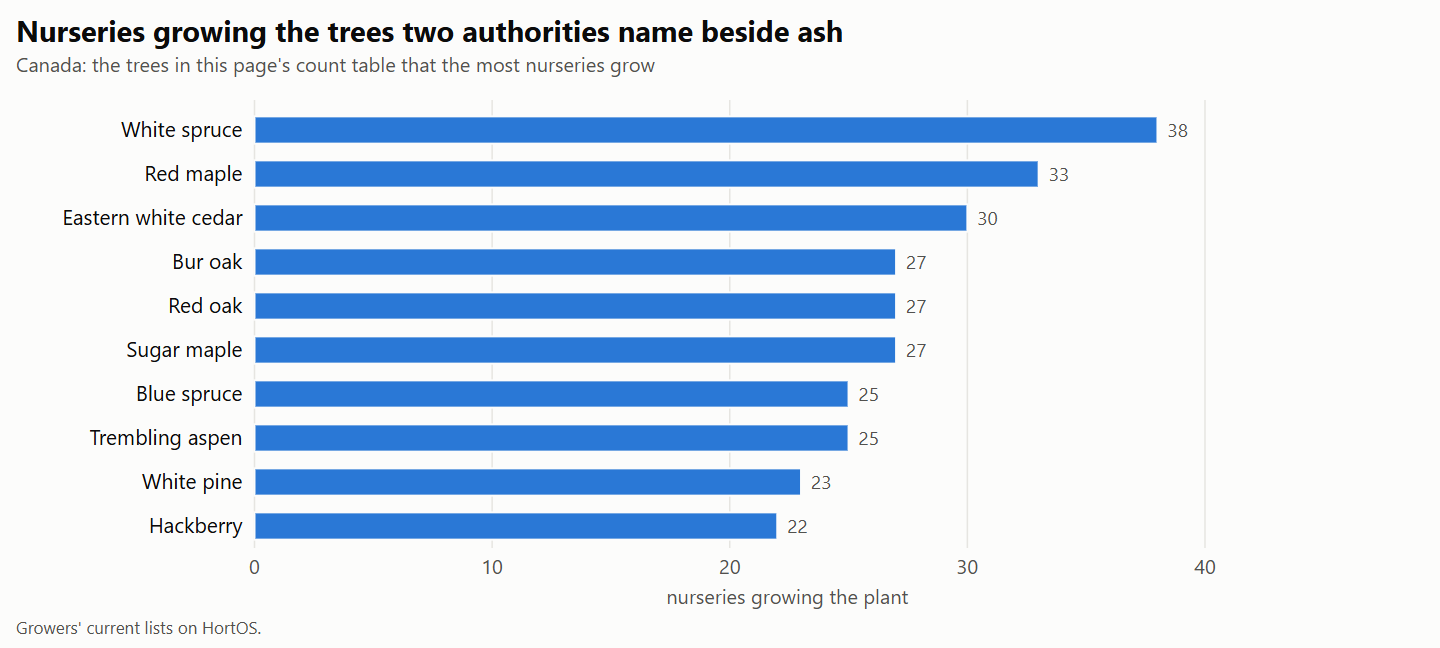
Replacing ash trees lost to emerald ash borer in Canada
For tree boards, municipal foresters and stewardship groups in Canada: what the Canadian Food Inspection Agency's pages say of regulated areas in eight provinces, the federal rule on moving ash nursery plants, what municipalities say about treating and replanting, and how many Canadian nurseries grow each tree two authorities name. Counts only, no prices.
Updated October 16, 2026. Counts are what the live ca.hortosapp.com plant pages printed; medians are not published yet.
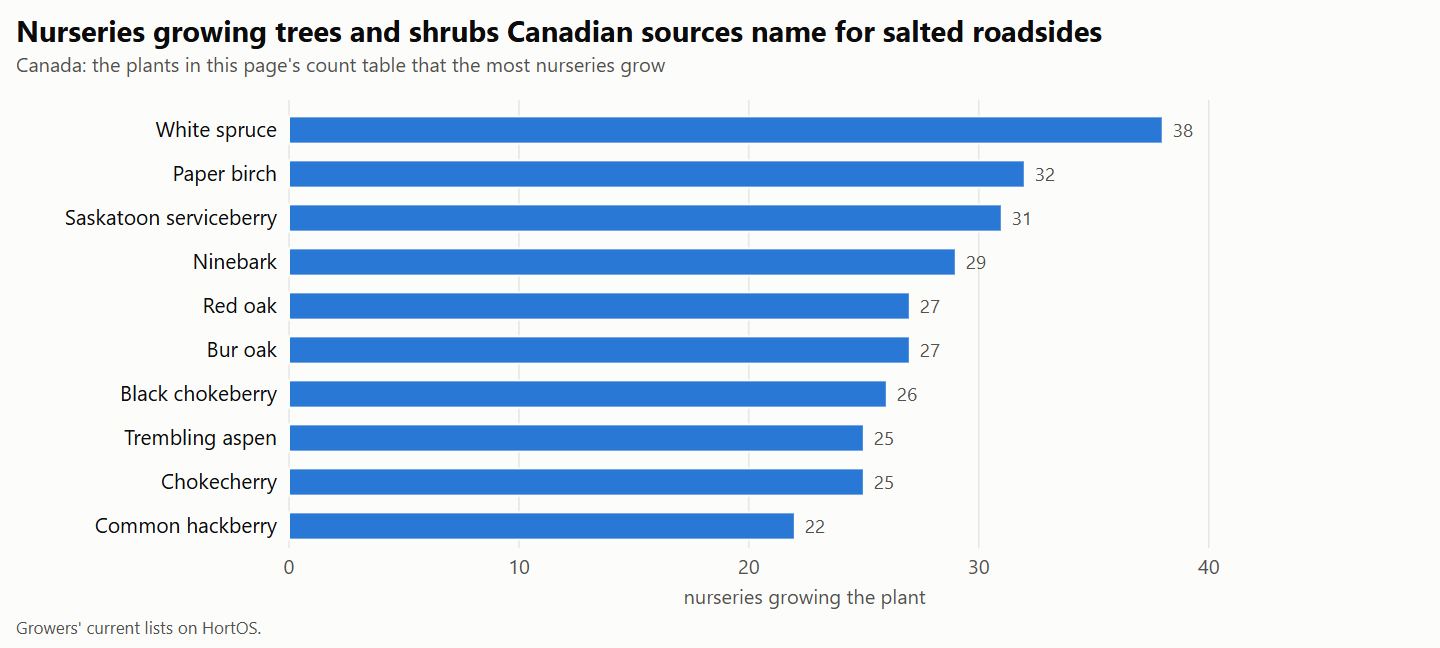
Road salt tolerant trees and shrubs for Canadian streets
For public works crews, boulevard groups and watershed groups in Canada: how road salt reaches plants by spray and through the soil, where the Transportation Association of Canada and an Ontario stormwater guide say to plant, and how many Canadian nurseries grow the trees and shrubs two Canadian sources name. Counts only, no prices.
Updated October 24, 2026. Counts are what the live ca.hortosapp.com plant pages printed; medians are not published yet.
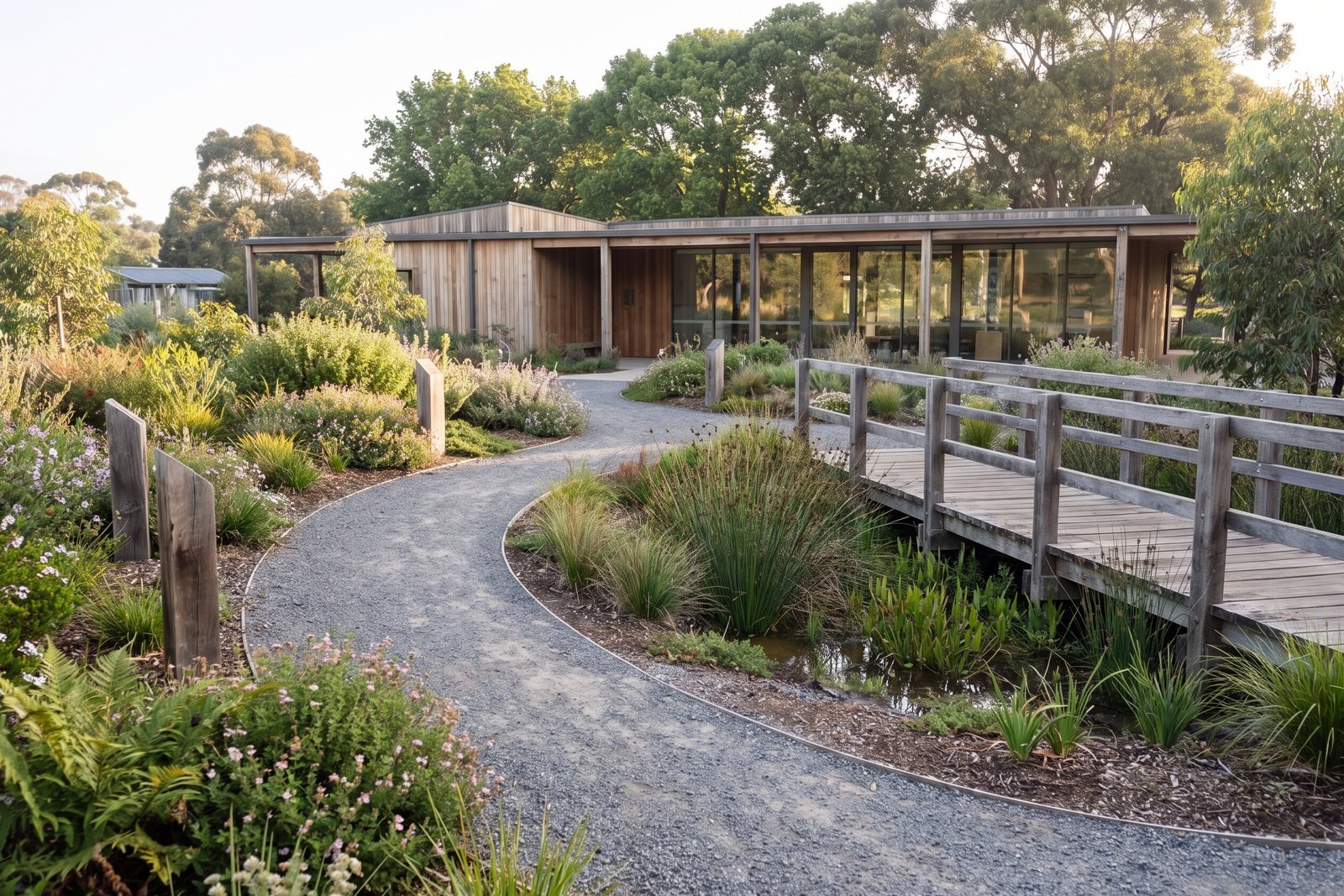
Choosing Plants for a Nature Centre or Demonstration Garden
A demonstration garden should show plants visitors can find, buy and grow, at a standard of care a home can manage. This page covers choosing themes, choosing plants growers list in numbers, labels and interpretation, care at the visitor's scale, and the records that keep the garden useful.
Updated October 24, 2026. Counts from the live ca.hortosapp.com plant pages on 25 October 2026; median trade prices are not published for Canada yet.
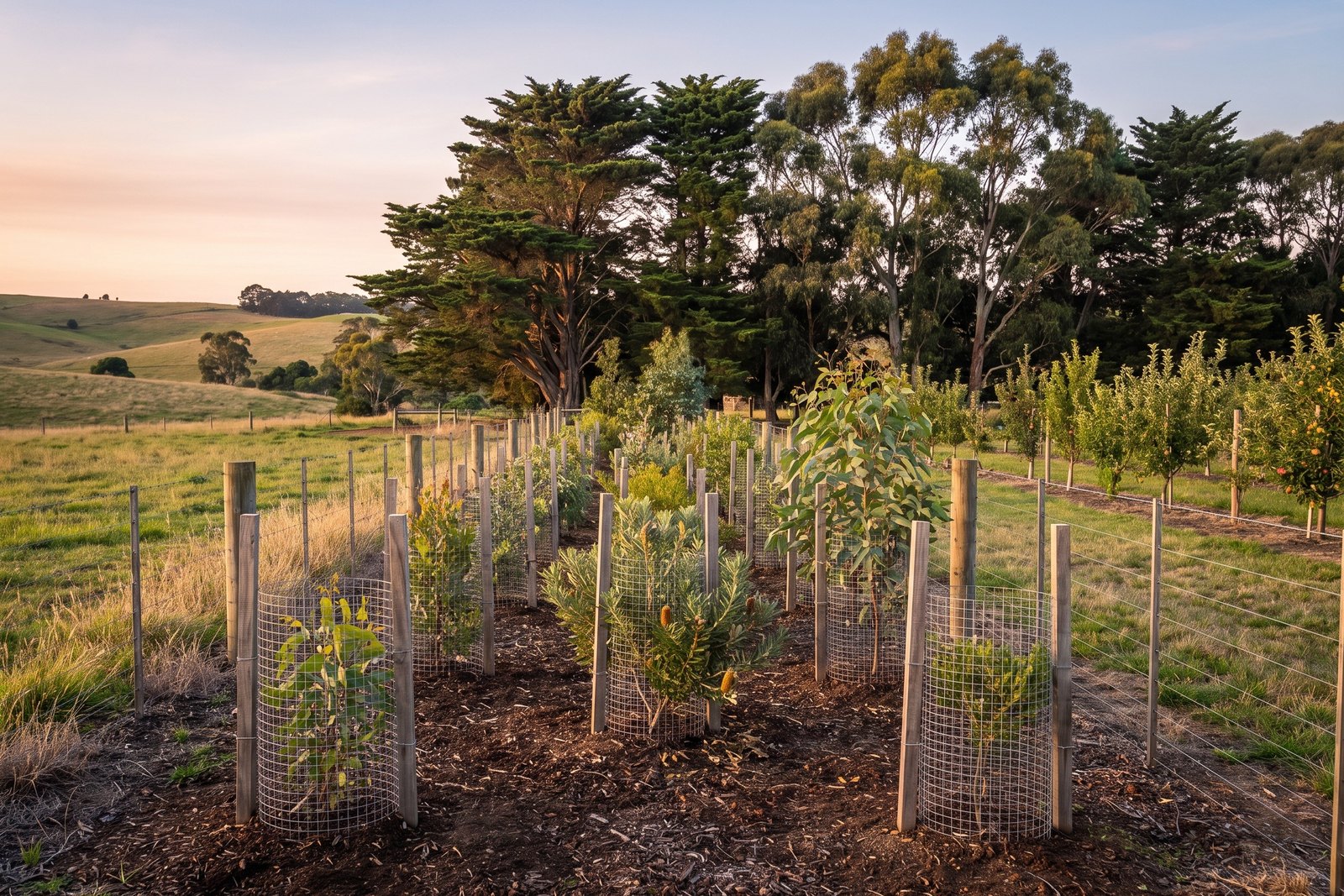
Hedgerows and Windbreaks for Small Farms
A windbreak or hedgerow protects in proportion to its height and length, and only works planted without gaps across the damaging wind. This page covers what belts do, the design rules agencies publish, species and layers, planting and protecting a belt, and where small farms find help.
Updated October 24, 2026. Counts from the live ca.hortosapp.com plant pages on 25 October 2026; median trade prices are not published for Canada yet.
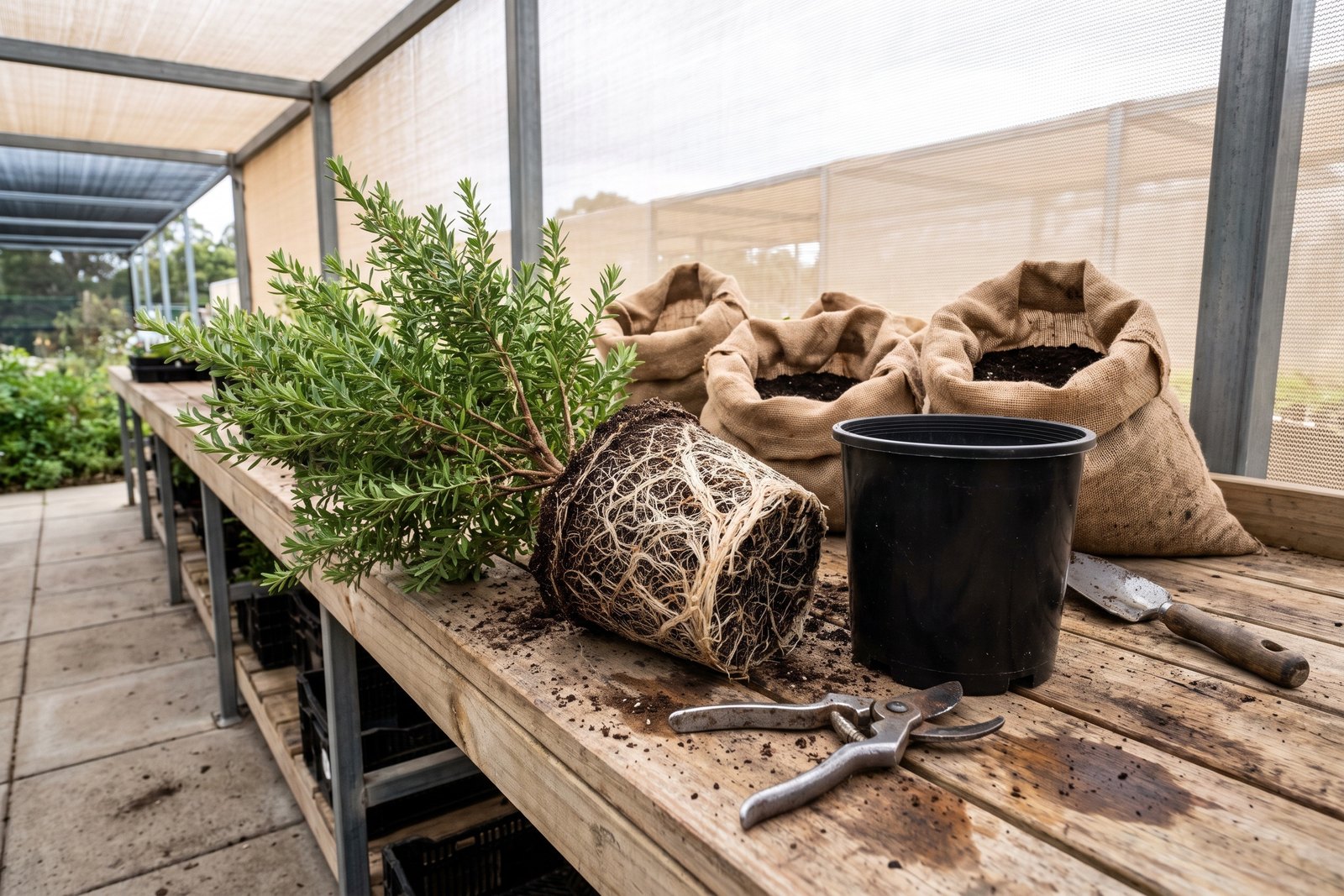
Nursery Plant Quality: Roots, Pests and Hardening Off
Quality in a nursery plant is mostly below the mix, in the roots, and a buyer who lifts one plant from each line sees what the price list cannot say. This page is the checklist: roots, stem and canopy, pests and diseases, hardening off, weeds and labels, the questions to send with the order, and the schemes that certify practice.
Updated October 24, 2026. Grower counts from the live ca.hortosapp.com provincial hubs on 24 September 2026; median trade prices are not published for Canada yet.
Environment, wildlife and water
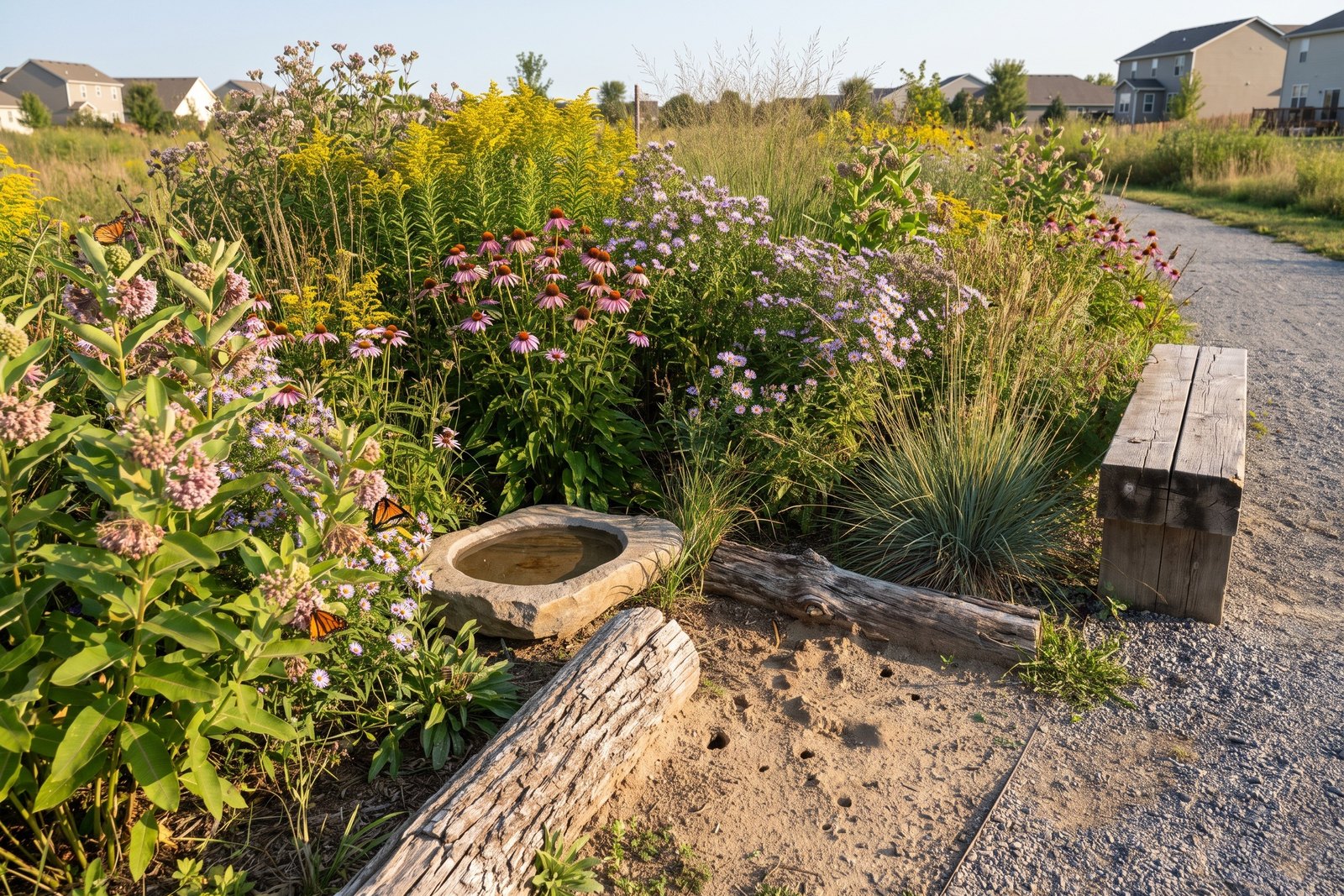
Native Plants for a Pollinator Patch or Monarch Waystation
A small pollinator patch works when it does three jobs at once: flowers in sequence, host plants for caterpillars and places to nest, kept free of sprays. This page covers choosing the spot, plants by job, the milkweeds a monarch waystation needs, a flowering sequence and buying the plants.
Updated October 24, 2026. Counts from the live ca.hortosapp.com plant pages on 25 October 2026; median trade prices are not published for Canada yet.
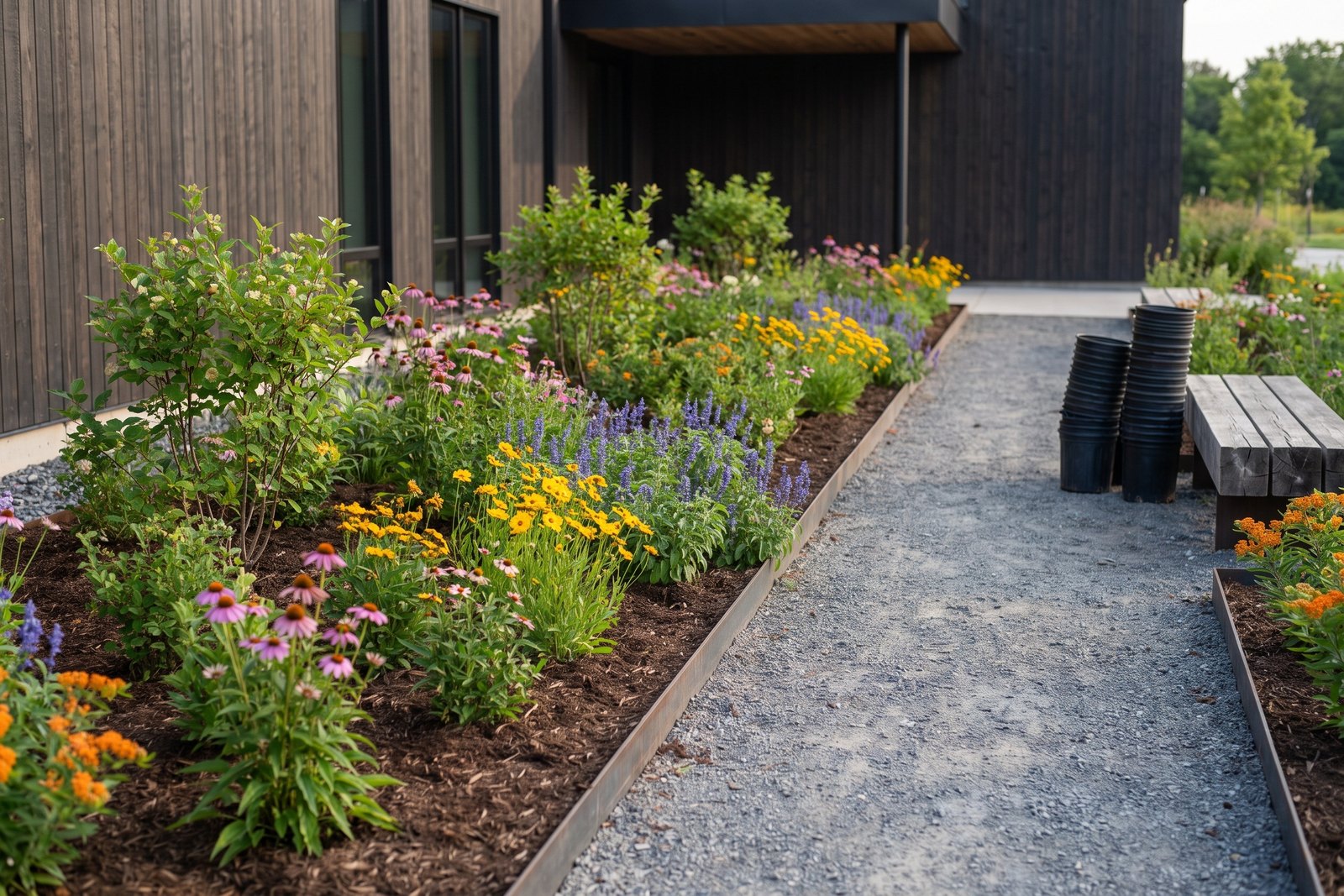
Planning a Pollinator Planting With Trade Suppliers
A pollinator planting list from a published regional guide is a wholesale order in disguise. This page shows how a club, a council or a conservation group matches the list to what growers list, chooses sizes and drifts, spreads flowering across the year, and asks the provenance, cultivar and chemical questions before the order goes in.
Updated October 24, 2026. Grower counts from the live ca.hortosapp.com provincial hubs on 24 September 2026; median trade prices are not published for Canada yet.
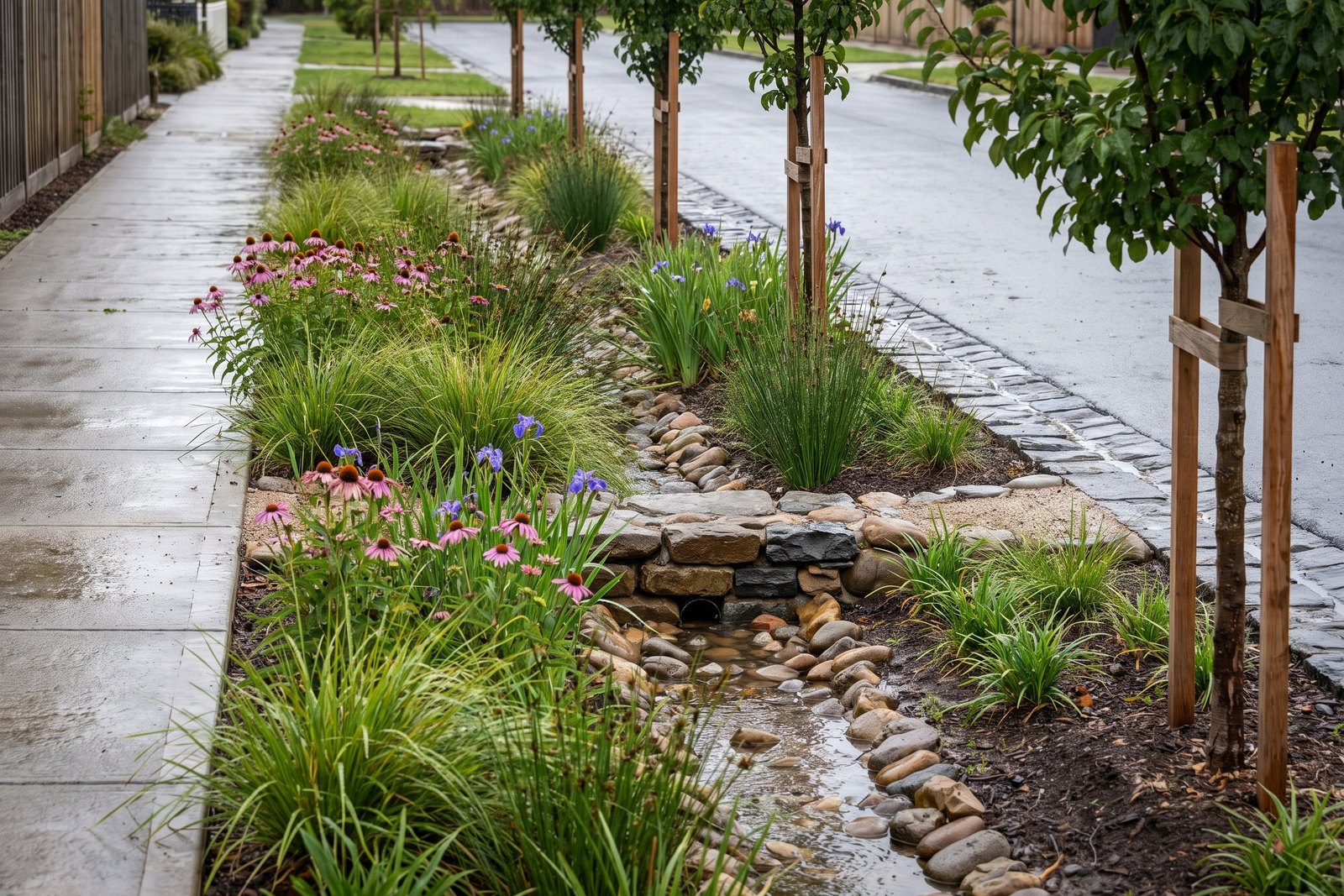
Rain Gardens and Bioswales: Siting, Soil and Plants
A rain garden is designed around the water first and the plants second, and its plants must take both a flood and a drought. This page covers what rain gardens and bioswales do, siting and sizing, the soil and the build, choosing plants for wet and dry, and looking after them.
Updated October 24, 2026. Counts from the live ca.hortosapp.com plant pages on 25 October 2026; median trade prices are not published for Canada yet.
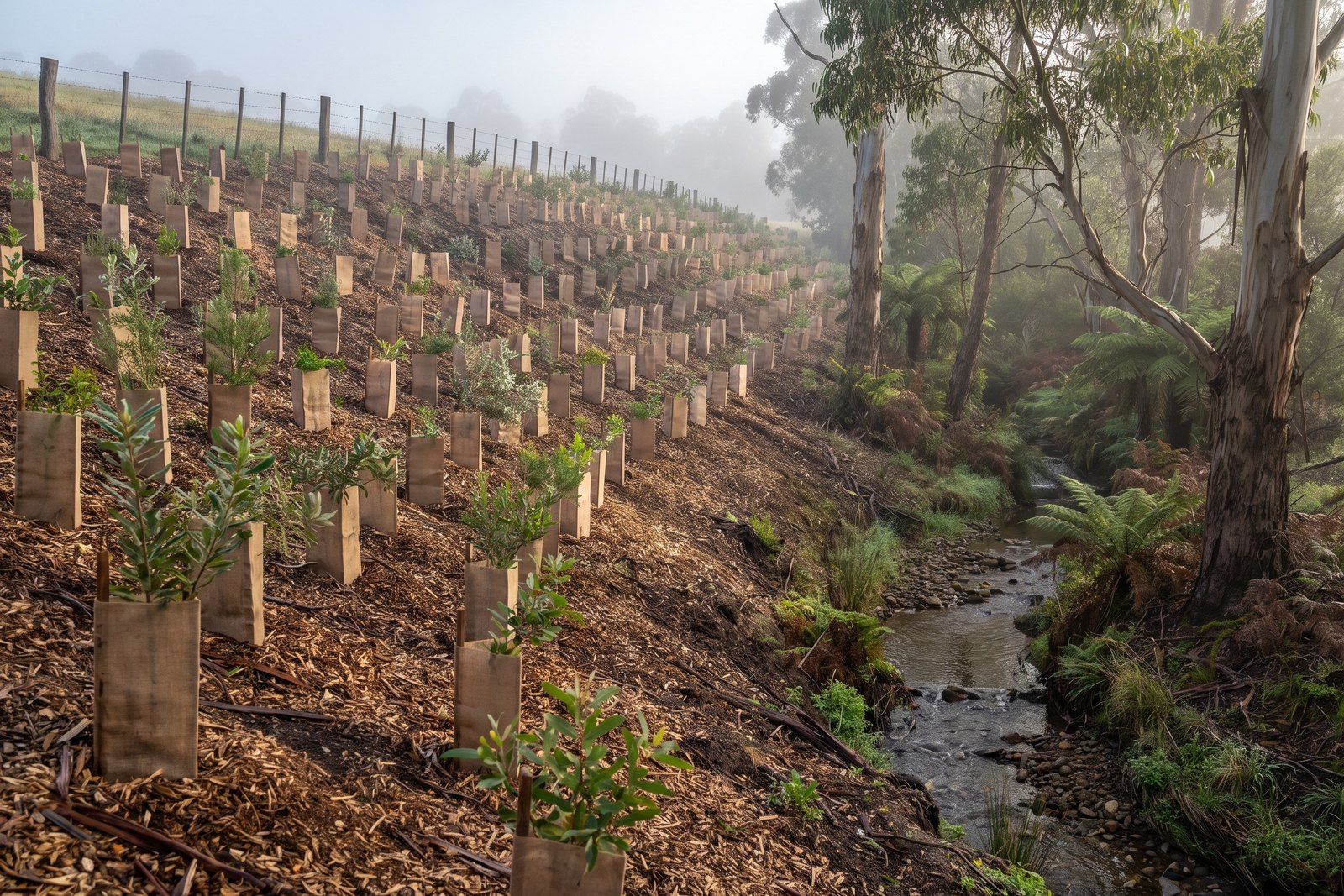
Restoration Planting and Local Ecotype Stock
A restoration planting is decided by site preparation and seed origin before the day, and by two or three years of follow-up after it. This page covers preparing the site, local ecotype stock and seed zones, planting small stock well, the first three years and counting survival.
Updated October 24, 2026. Counts from the live ca.hortosapp.com plant pages on 25 October 2026; median trade prices are not published for Canada yet.
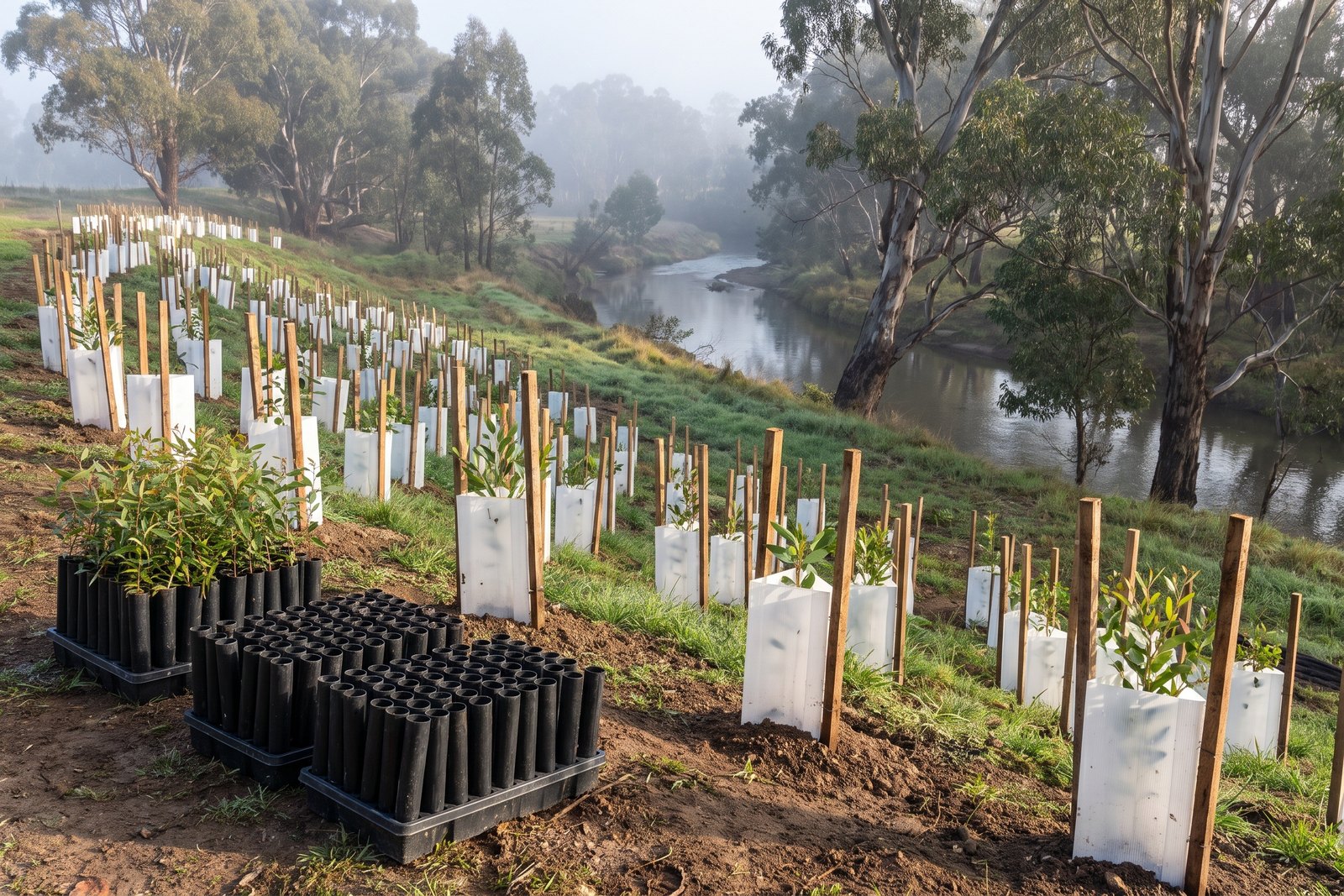
Sourcing Native Plants for a Restoration or Revegetation Project
Revegetation stock is grown to order, so a restoration project that books its growing a year ahead plants what the plan says. This page covers the provenance rule and how to ask for it, the grades the trade grows, contract growing and its timetable, reading the directory for a project, and what a grower's list cannot show.
Updated October 24, 2026. Grower counts from the live ca.hortosapp.com provincial hubs on 24 September 2026; median trade prices are not published for Canada yet.
Money, tax, grants and rebates
Stormwater Fee Credits and Rain Garden Rebates in Canadian Cities
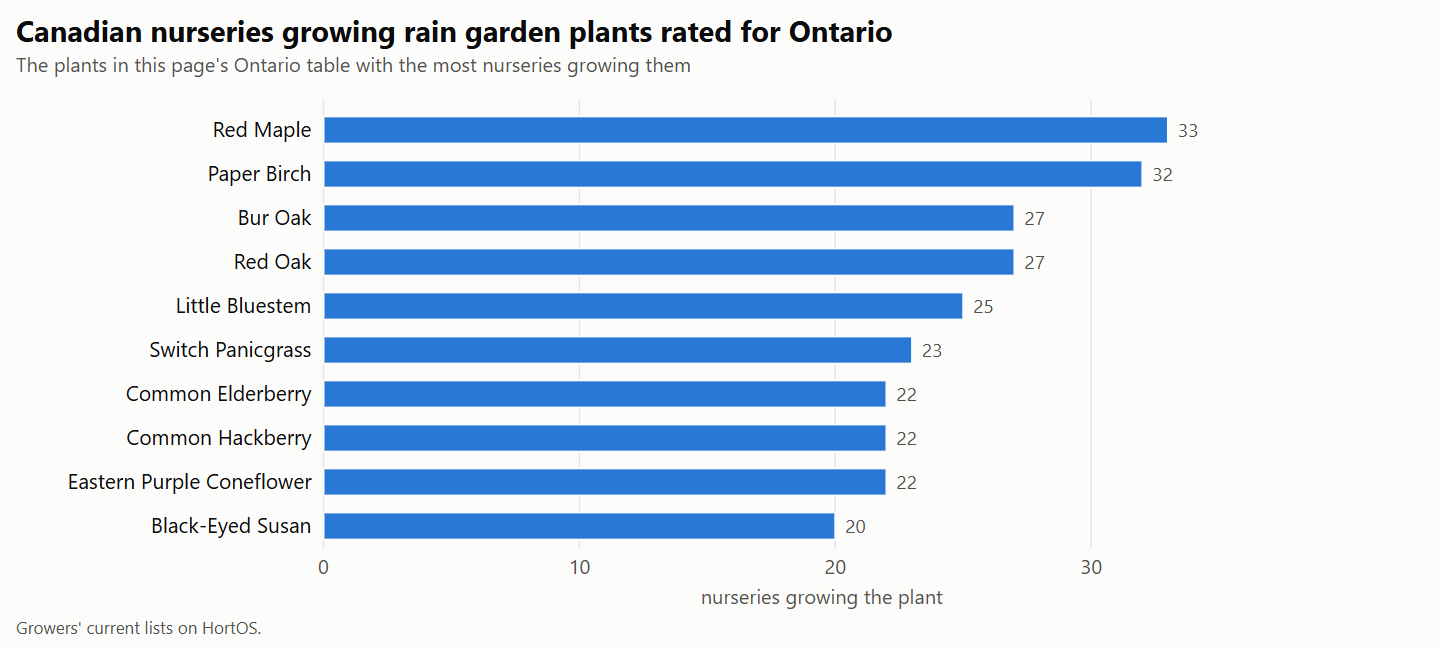
For stewardship groups, property managers and homeowners in Canada: what nine utilities from Victoria to Halifax credit or rebate for holding stormwater on site, who can apply, what each program says about planting and trees, and how many Canadian nurseries grow the rain garden plants that STEP rates for Ontario and the City of Victoria lists. Counts only.
Updated October 9, 2026. Counts are what the live ca.hortosapp.com plant pages printed; medians are not published yet.
Planning a Planting Budget for a Council or School
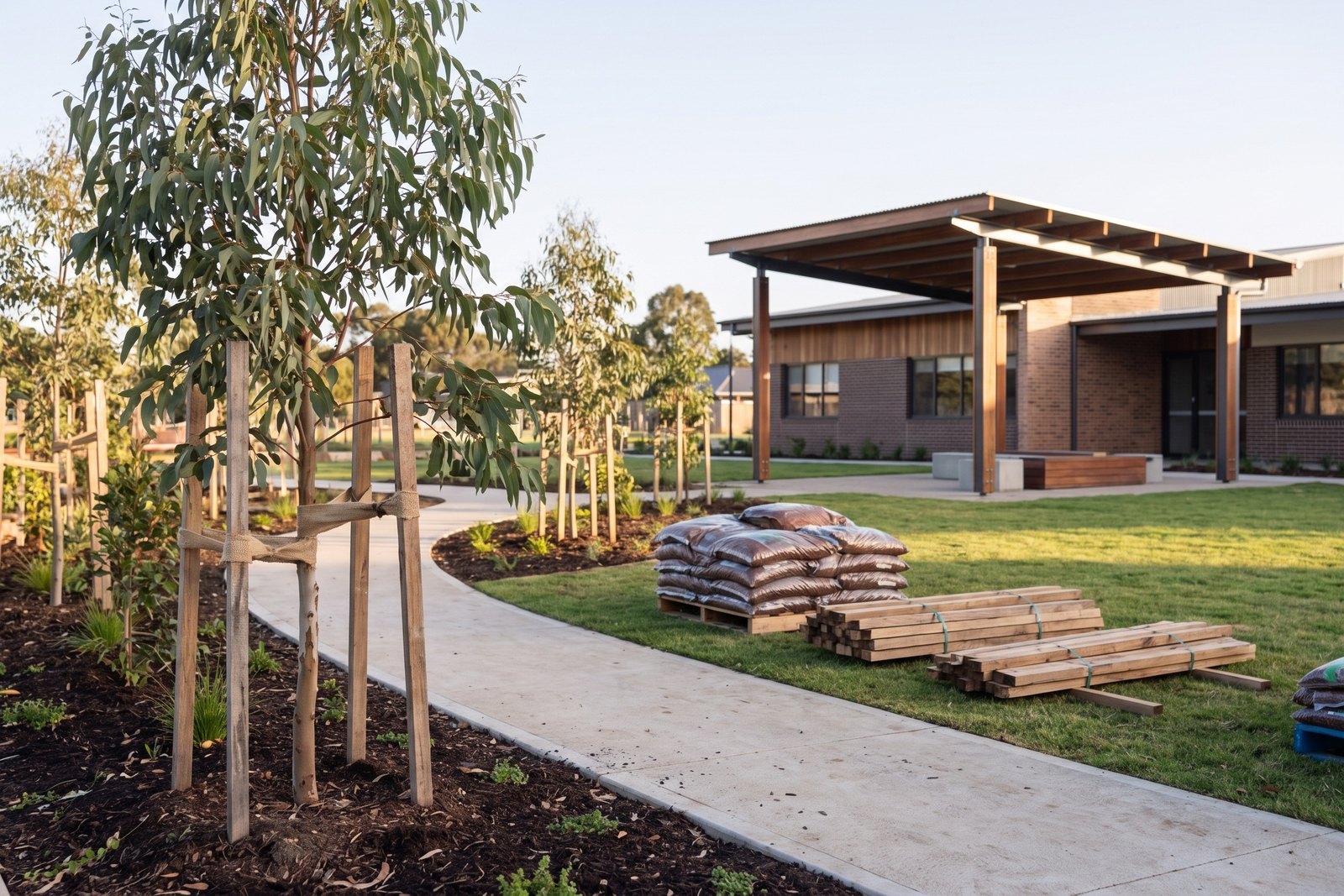
The plants are commonly a third to a half of a planting's real cost. This page builds a budget line by line for a park, a street, a school ground or a community site: plant lines at growers' trade prices, then site work, mulch, hardware, water for two summers, labour, delivery, replacements and maintenance, with a worked example.
Updated October 24, 2026. Grower counts from the live ca.hortosapp.com provincial hubs on 24 September 2026; median trade prices are not published for Canada yet.
The trade and procurement

Buying From a Wholesale Grower When You Are Not in the Trade
Naturalist clubs, conservation authorities, schools, land trusts and municipalities can buy from Canadian wholesale growers when they order like the trade: in quantity, ahead of the season, on the grower's terms. This page explains who sells to whom, business numbers and tax, minimums and pooling, how the Canadian Nursery Stock Standard sizes stock, provenance, lead times and shipping.
Updated October 24, 2026. Figures from the live ca.hortosapp.com provincial hubs on 24 September 2026; medians will follow with the first Canadian edition of the HortOS Plant Price Index.
Buying Plants in Bulk for a Community Group
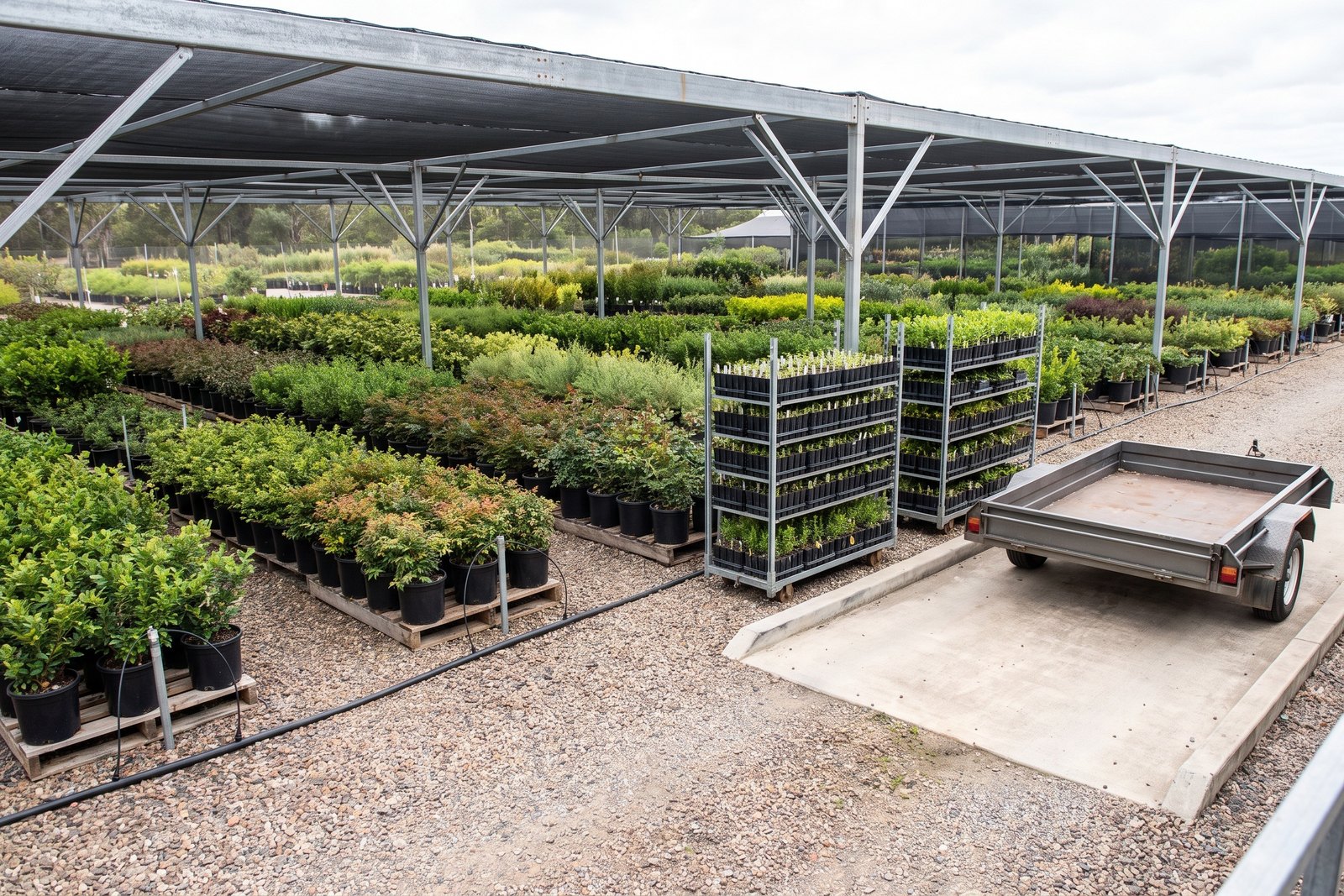
Garden clubs, community gardens, schools and friends groups can buy plants by the tray and the cart from wholesale growers when they order like the trade. This page explains what bulk means to a grower, the three ways a group buys, how to turn a plan into quantities, what a quote request needs and how collection day works.
Updated October 24, 2026. Grower counts from the live ca.hortosapp.com provincial hubs on 24 September 2026; median trade prices are not published for Canada yet.
Plant Grades and Container Sizes, Market by Market
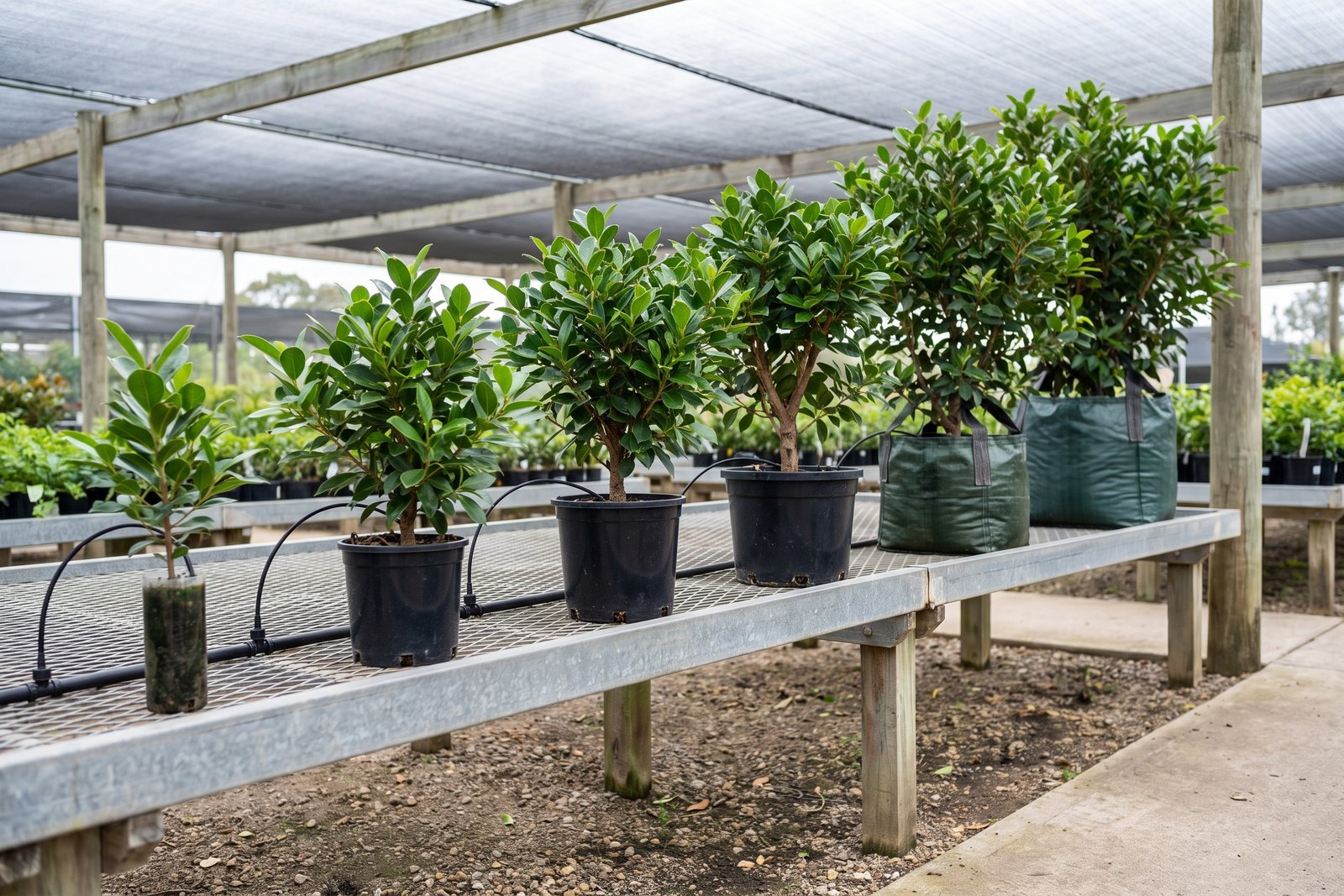
A #3 in Florida, a 200 mm pot in Sydney, a PB5 in Hamilton and a #2 in Ontario are roughly the same plant. This page sets the four markets' size ladders side by side from plug to field grown tree, explains what each grade is and how old, and names the standard each market specifies against.
Updated October 24, 2026. Grower counts from the live ca.hortosapp.com provincial hubs on 24 September 2026; median trade prices are not published for Canada yet.
Reading a Grower's Price List and Trade Terms
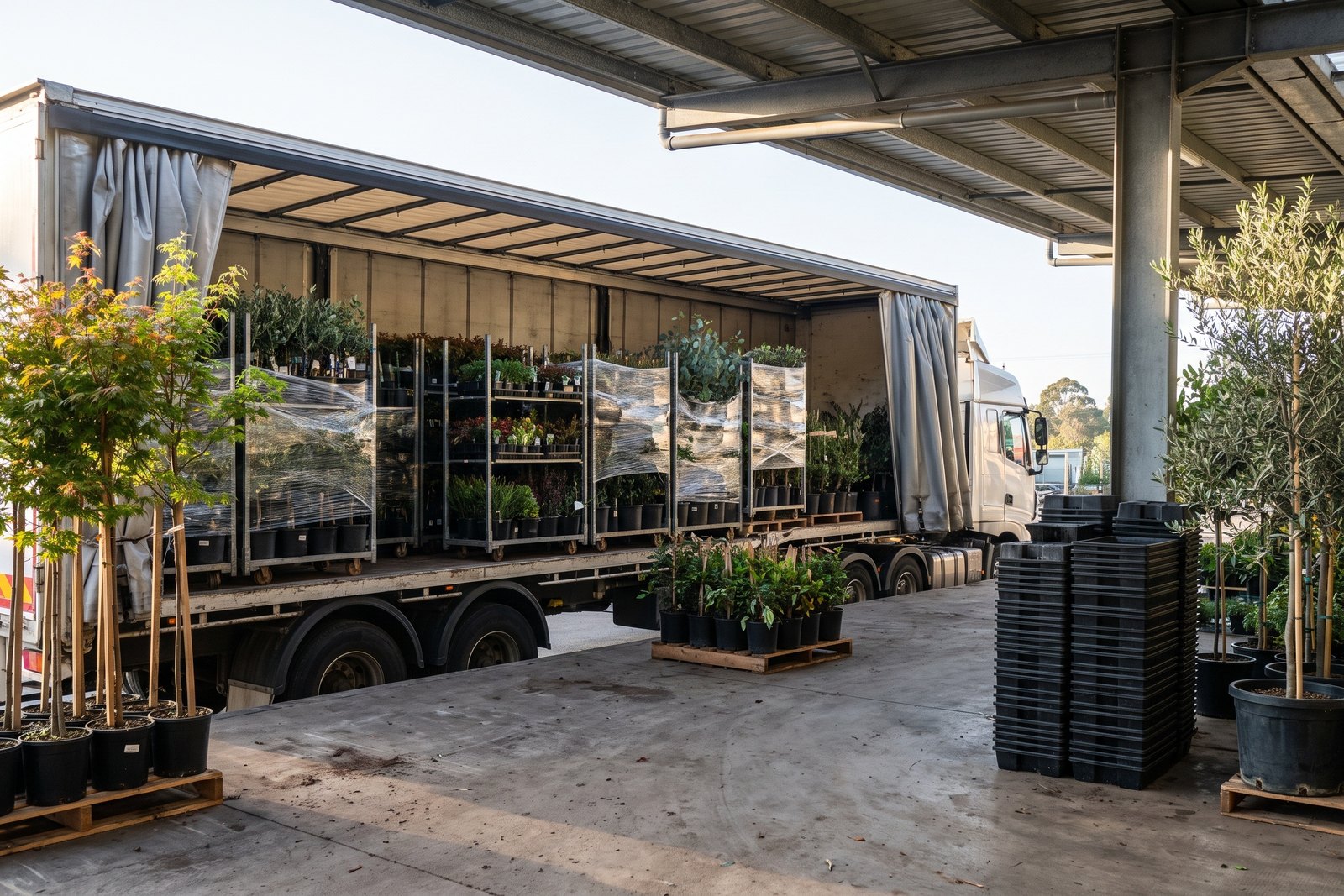
A grower's price list is an offer written in shorthand, and the terms are part of the price. This page reads a trade list column by column and term by term, from the tax and freight basis to minimums, price on application, holds, substitutions, payment and claims, and turns two quotes into landed costs.
Updated October 24, 2026. Grower counts from the live ca.hortosapp.com provincial hubs on 24 September 2026; median trade prices are not published for Canada yet.
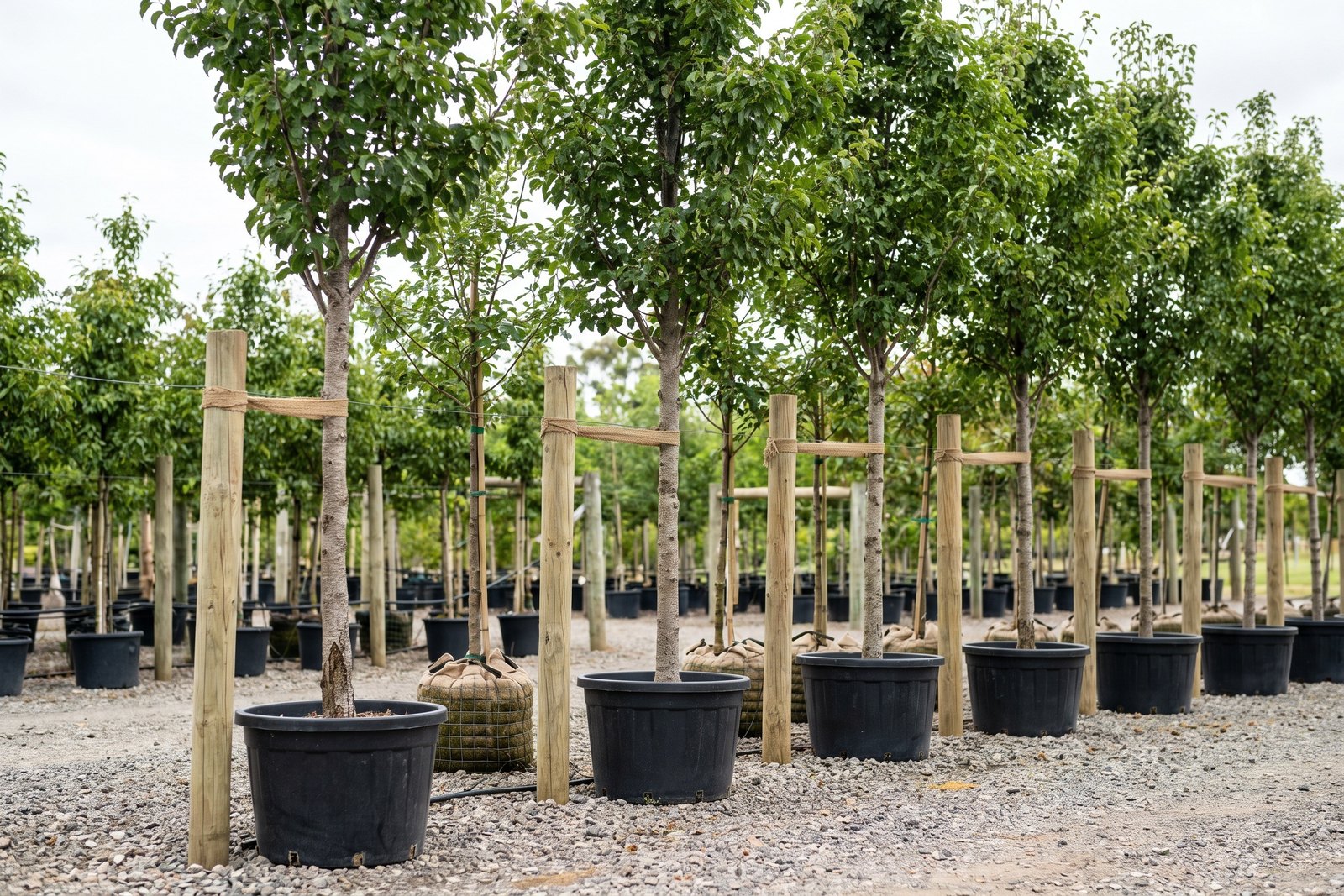
Specifying and Procuring Trees for a Street or Park Planting
A street or park planting fails at the specification more often than at the planting. This page explains the nursery stock standard to specify against, what goes in the clause, how the trade grows and grades advanced trees, where the growers are, the quote and tender process, and the inspection at the nursery and at delivery.
Updated October 24, 2026. Grower counts from the live ca.hortosapp.com provincial hubs on 24 September 2026; median trade prices are not published for Canada yet.
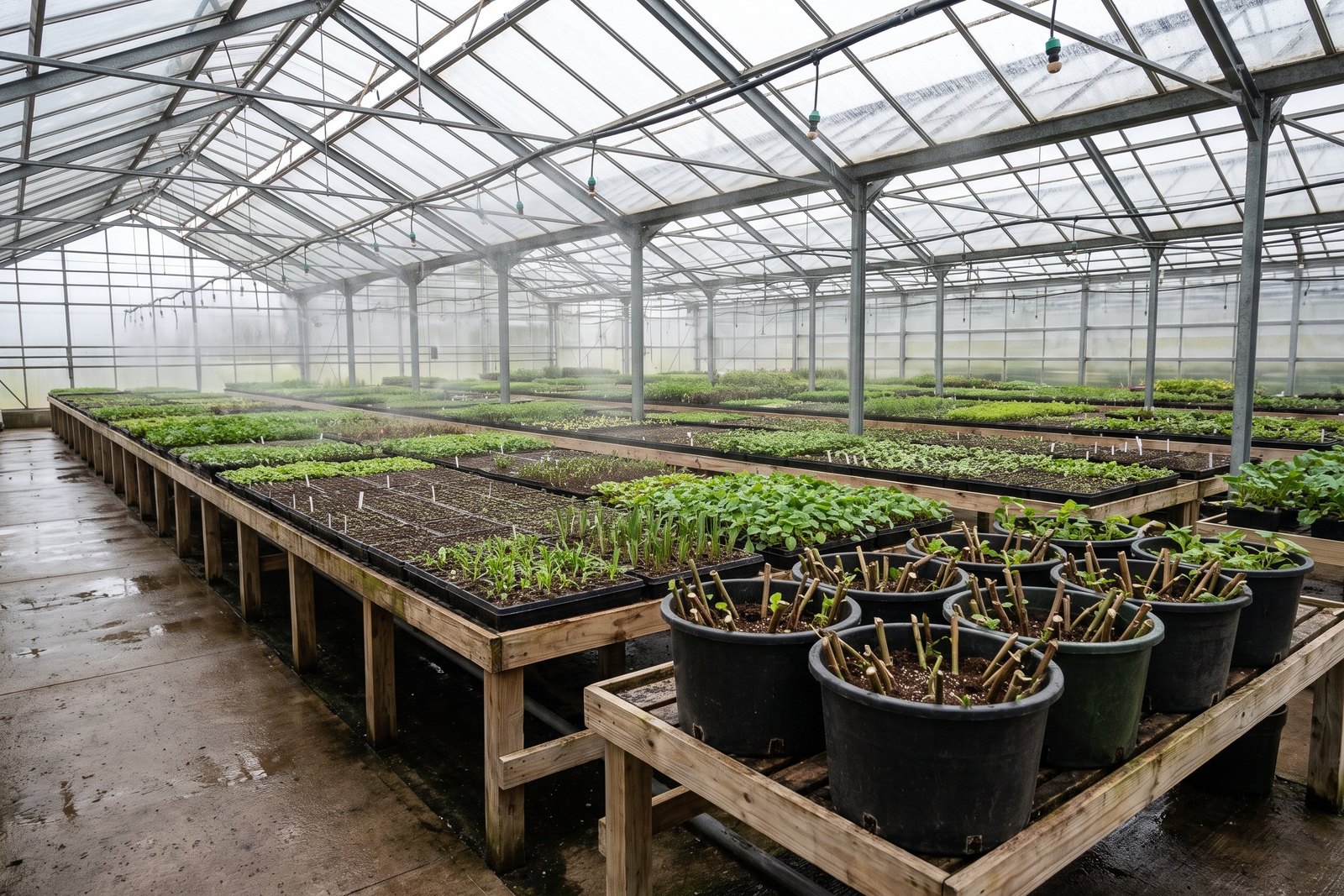
When to Order: Lead Times, Pre-Orders and Contract Growing
Every plant on a grower's list is a decision made a season or more ago. This page explains how long each grade takes to grow, the three ways a buyer secures stock ahead of the season, what a growing contract contains, the planting calendar in this market and how to read a current list for the year ahead.
Updated October 24, 2026. Grower counts from the live ca.hortosapp.com provincial hubs on 24 September 2026; median trade prices are not published for Canada yet.
Community, schools and health
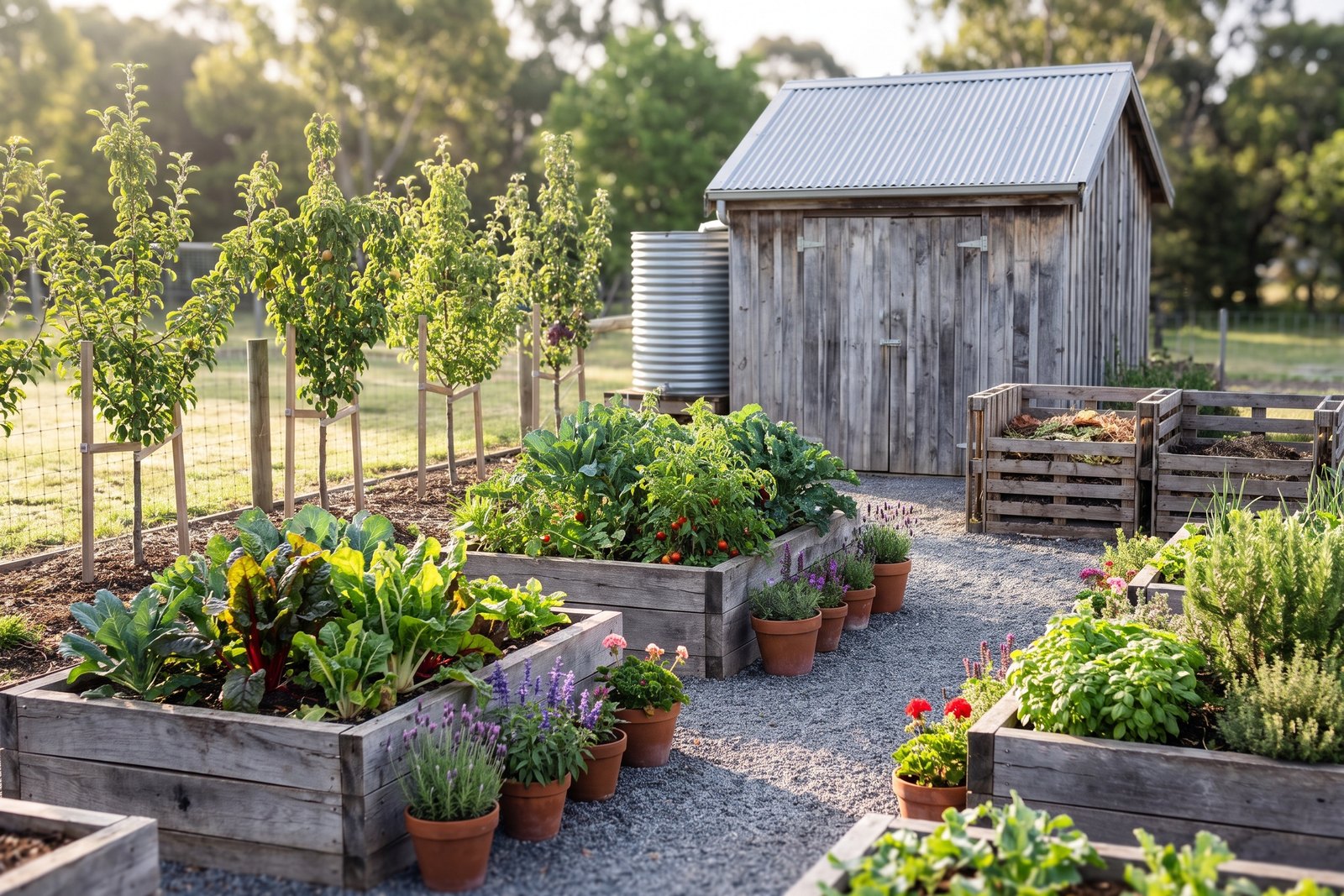
Choosing Plants for a Community Garden on a Budget
A community garden's plant budget goes furthest on plants that come back every year, bought small, from what growers list in numbers. This page sets out the order to spend in, the plants that earn their place, buying small and together, and where fruit and shade trees fit.
Updated October 24, 2026. Counts from the live ca.hortosapp.com plant pages on 25 October 2026; median trade prices are not published for Canada yet.
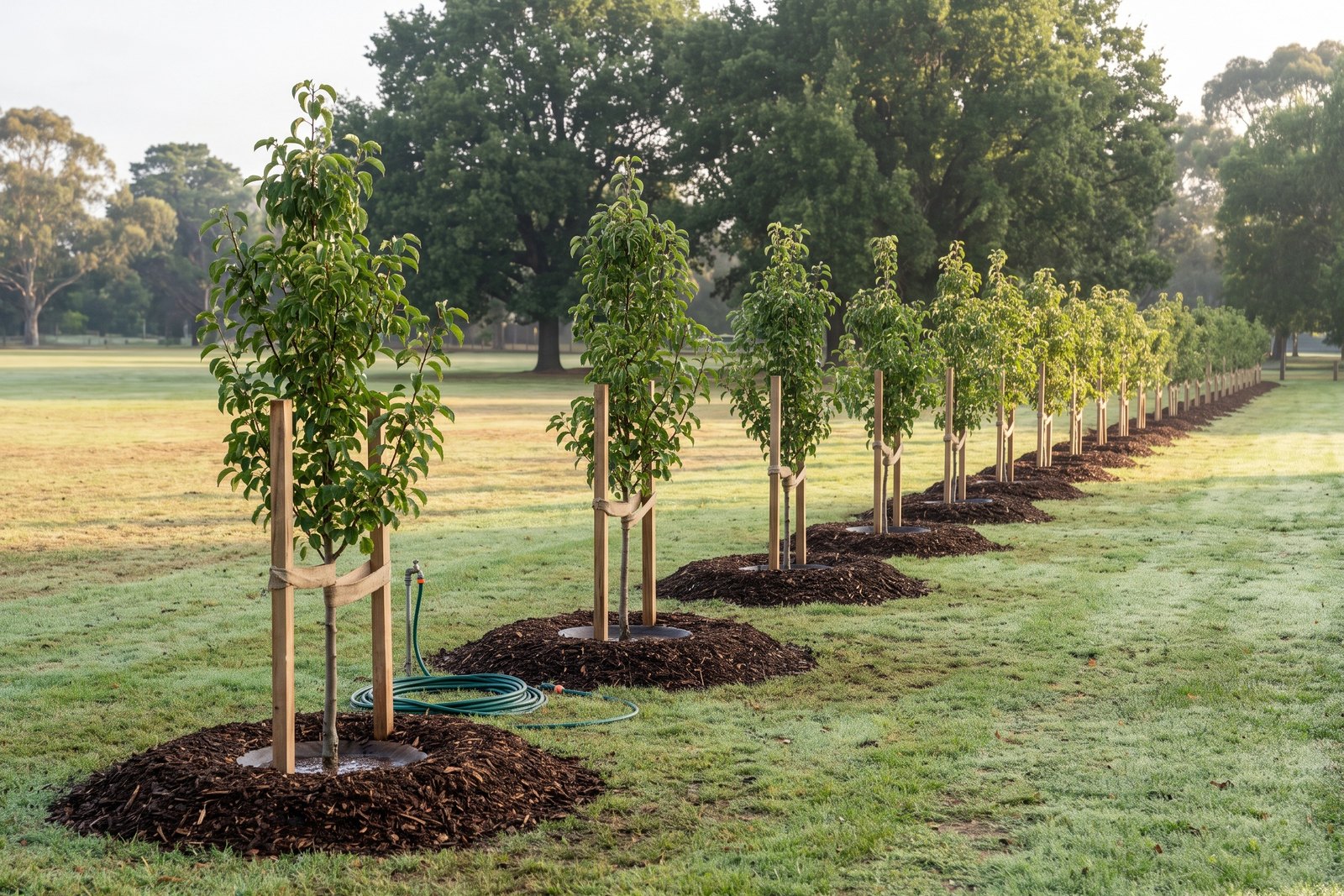
Planting Trees at a Park or Street Tree Event
A tree planting day is judged two summers later, and the sizes, spacing and aftercare plan decided before it keep the trees alive. This page covers sizes volunteers can plant, spacing for the mature canopy, the planting method arborists publish, running the day and the first two summers.
Updated October 24, 2026. Counts from the live ca.hortosapp.com plant pages on 25 October 2026; median trade prices are not published for Canada yet.
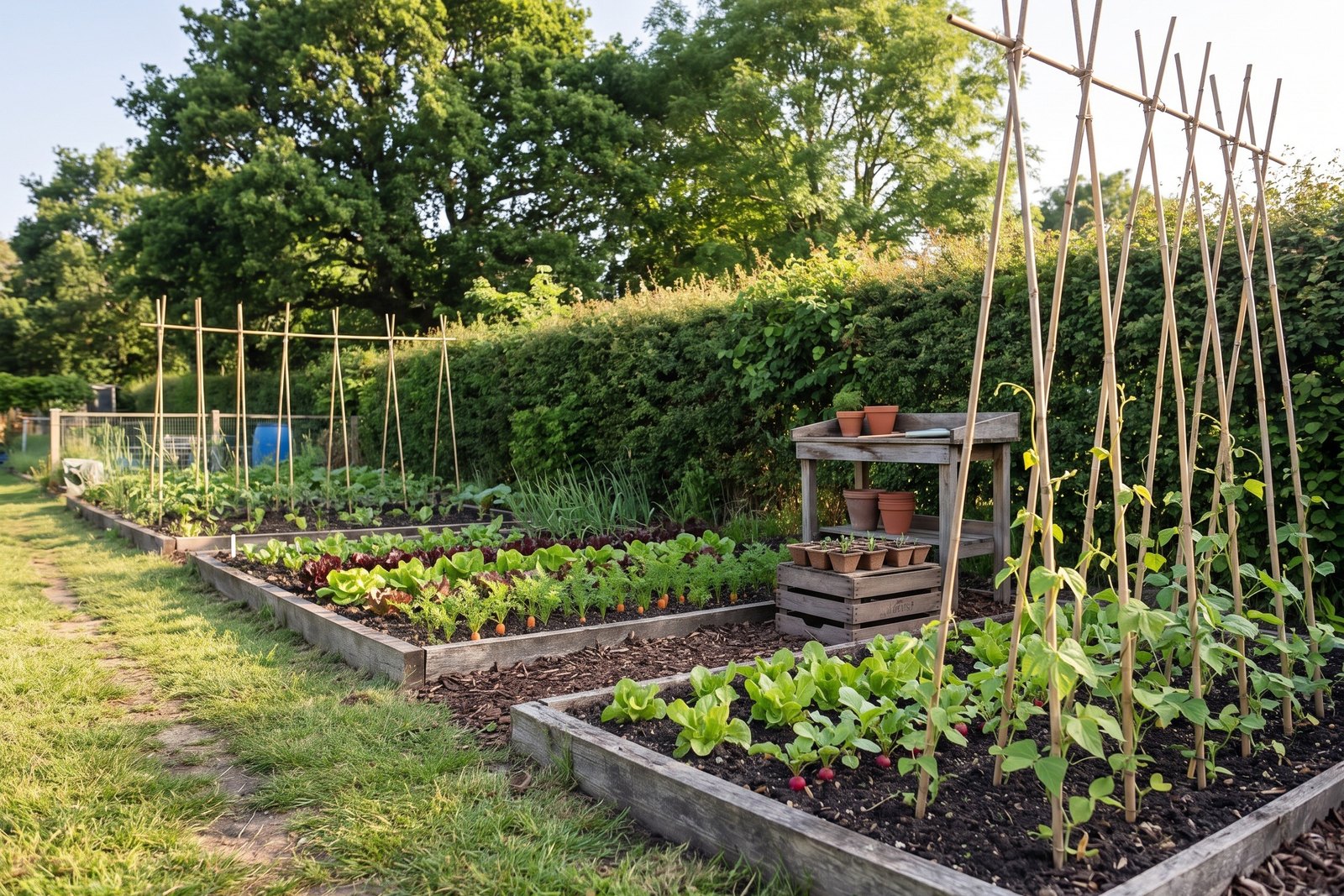
Planting an Allotment or Community Plot, Season by Season
A plot is planted by its own district's calendar, worked back from the frost dates, with permanent edges that stay while the beds turn over. This page explains reading a district's season, a planting calendar by season, the permanent plants that frame a plot and the plot rules that shape it.
Updated October 24, 2026. Counts from the live ca.hortosapp.com plant pages on 25 October 2026; median trade prices are not published for Canada yet.
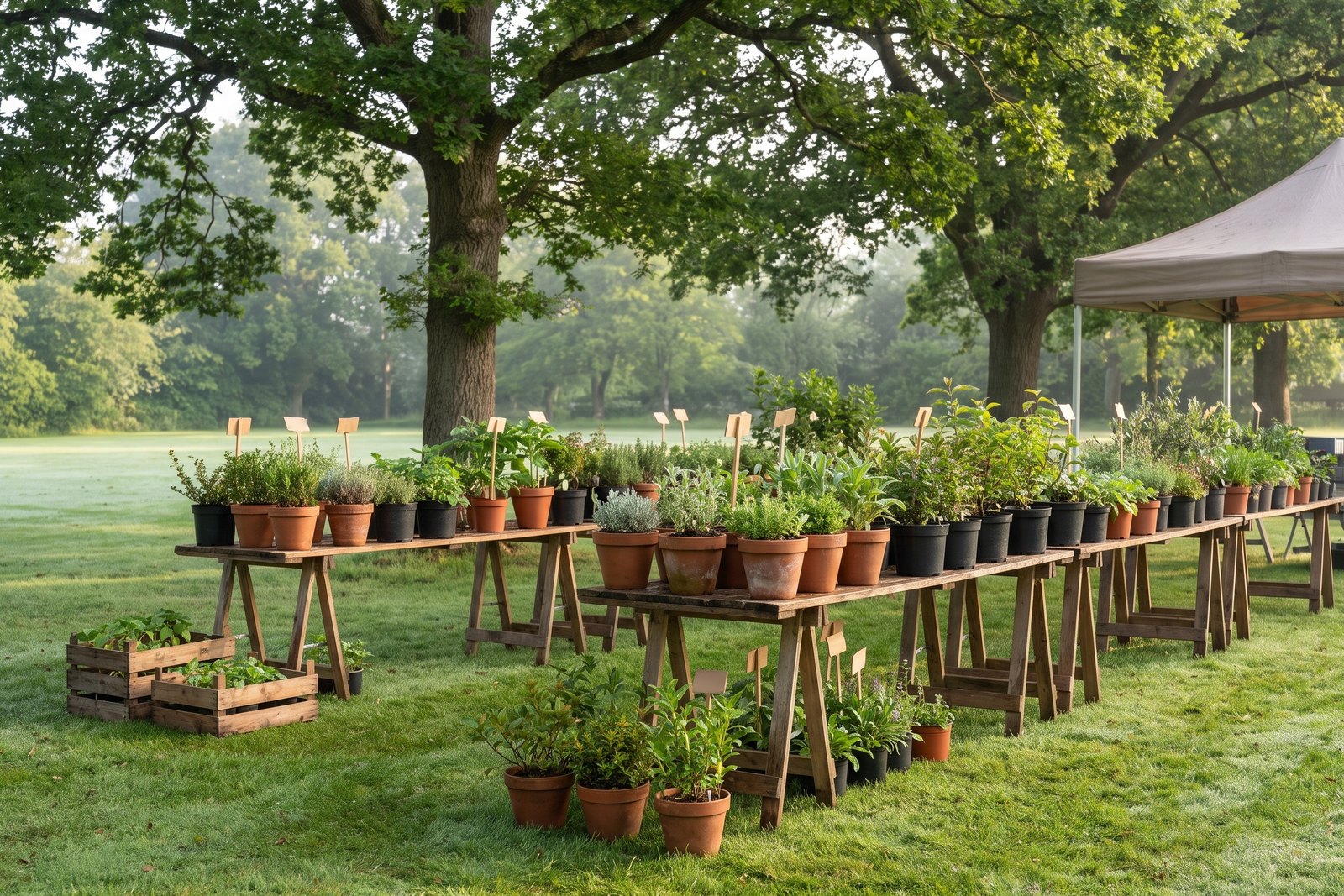
Running a Club or Society Plant Sale
A society plant sale works when member-grown stock and plants bought in from growers are planned together. This page covers the member-grown calendar, keeping members' pots healthy, filling the gaps from growers, labels and price bands, and the records that make next year's sale better.
Updated October 24, 2026. Counts from the live ca.hortosapp.com plant pages on 25 October 2026; median trade prices are not published for Canada yet.
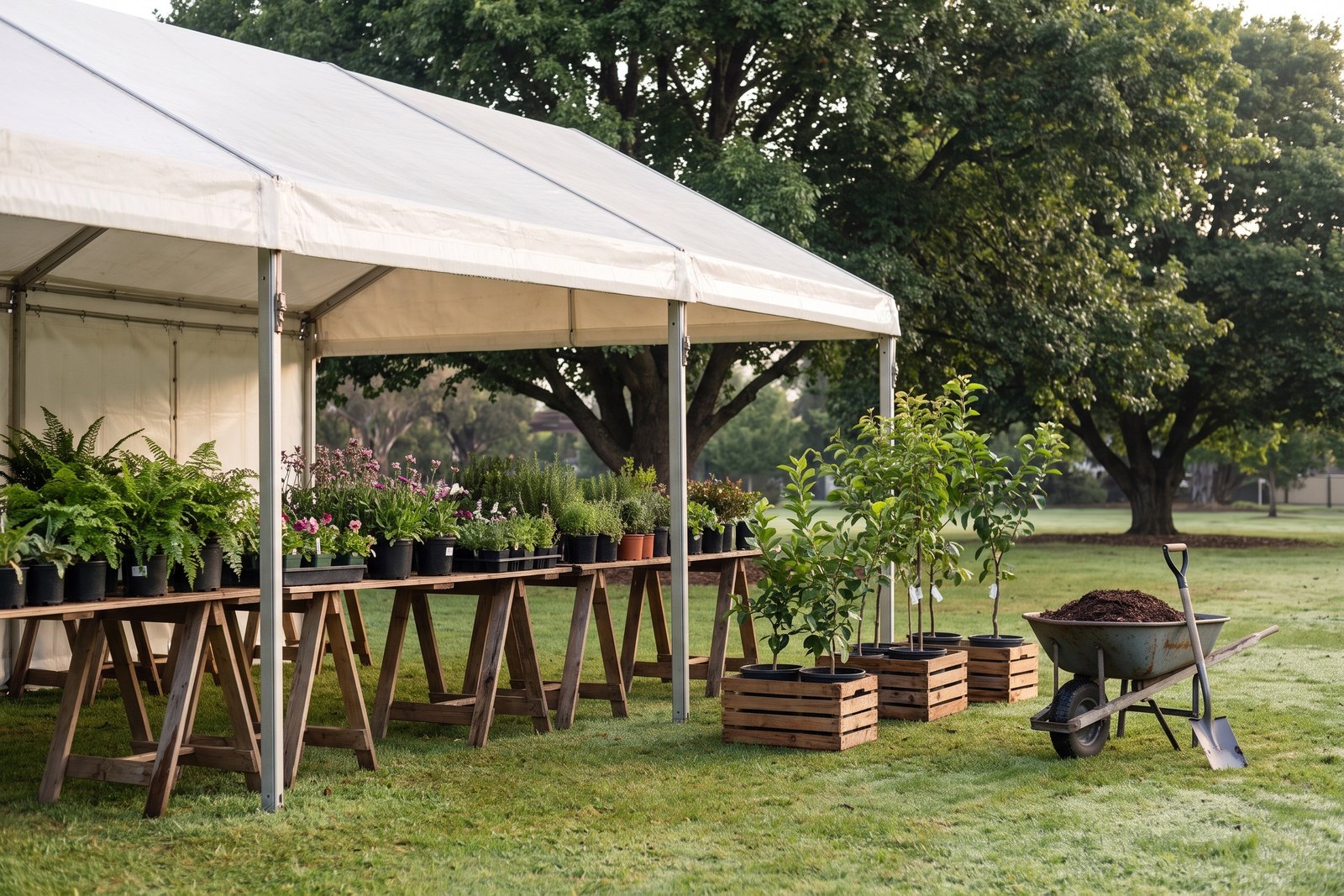
Running a Community Plant Sale or Tree Giveaway
A plant sale or a tree giveaway is a wholesale order with a date on it. This page sets out how a club, school, friends group or council plans the stock: what sells and what gives well, ordering for a date, receiving and holding the plants, the rules a sale meets, and the mistakes that send plants home unsold.
Updated October 24, 2026. Grower counts from the live ca.hortosapp.com provincial hubs on 24 September 2026; median trade prices are not published for Canada yet.
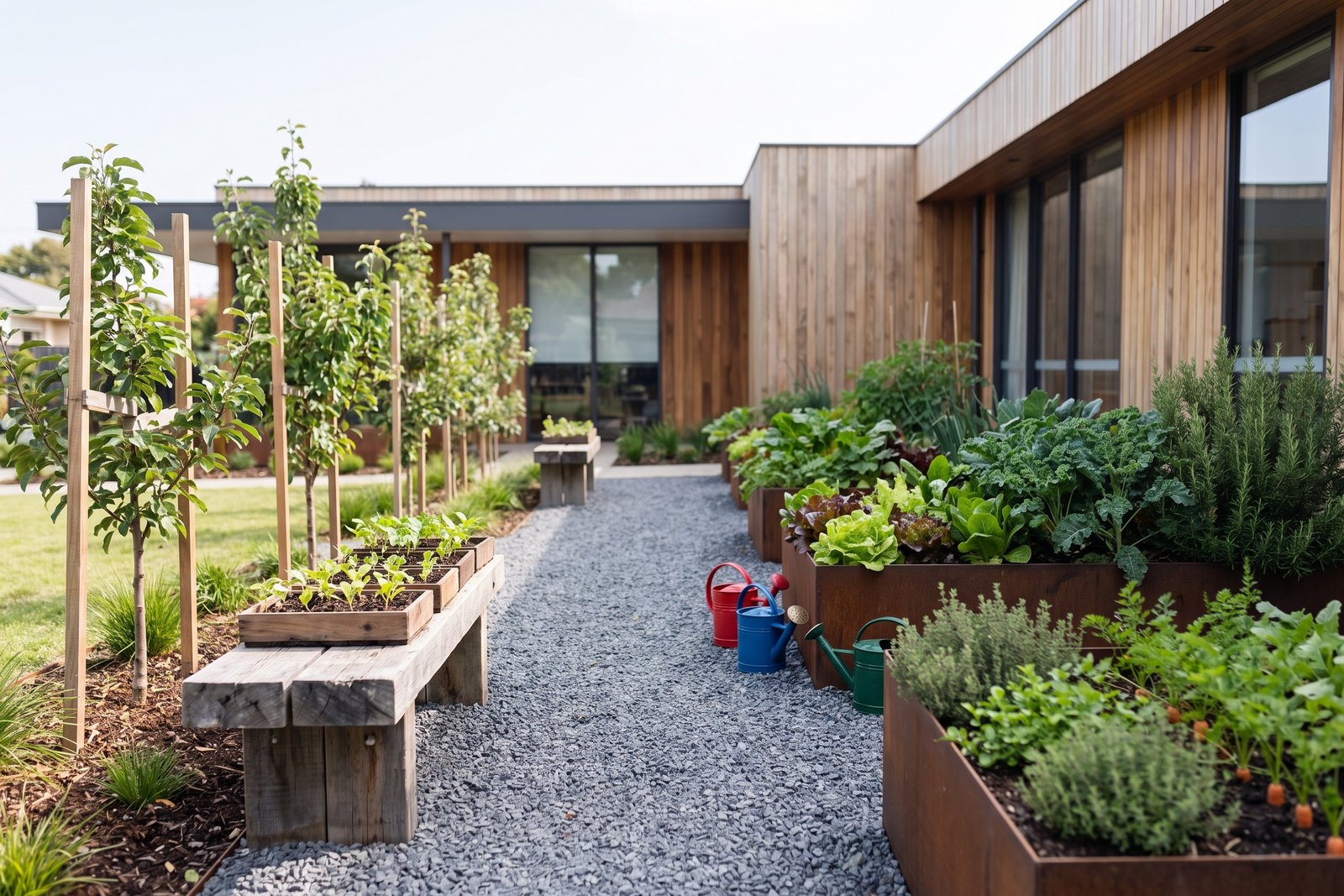
School Garden Planting and Buying for Teachers and Parent Groups
A school garden is planned around the school year, not the planting season, so its plants must survive the weeks the school is empty. This page covers planning around the summer break, who buys and how, choosing hardy plants, sizes for the planting day, and the programs that help schools.
Updated October 24, 2026. Counts from the live ca.hortosapp.com plant pages on 25 October 2026; median trade prices are not published for Canada yet.
Data and reference pages
New Zealand and Canada
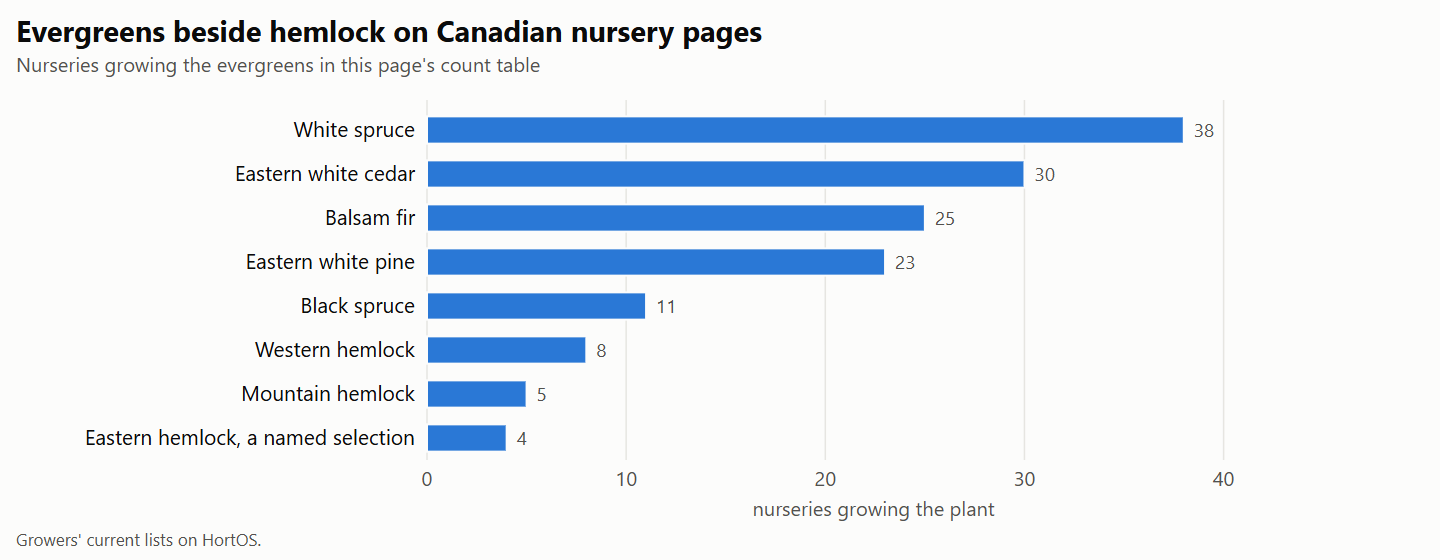
Hemlock woolly adelgid in Canada: rules and stand-in evergreens
For stewardship groups, conservation authorities and arborists in Canada: the areas the federal Order regulates for hemlock woolly adelgid, the recent detections outside them, what moving hemlock requires, how the authorities describe treatment, and the conifers Ontario names for restoring some of hemlock's functions, with how many Canadian nurseries grow each. Counts only.
Updated October 6, 2026. Counts are what the live ca.hortosapp.com plant pages printed; medians are not published yet.
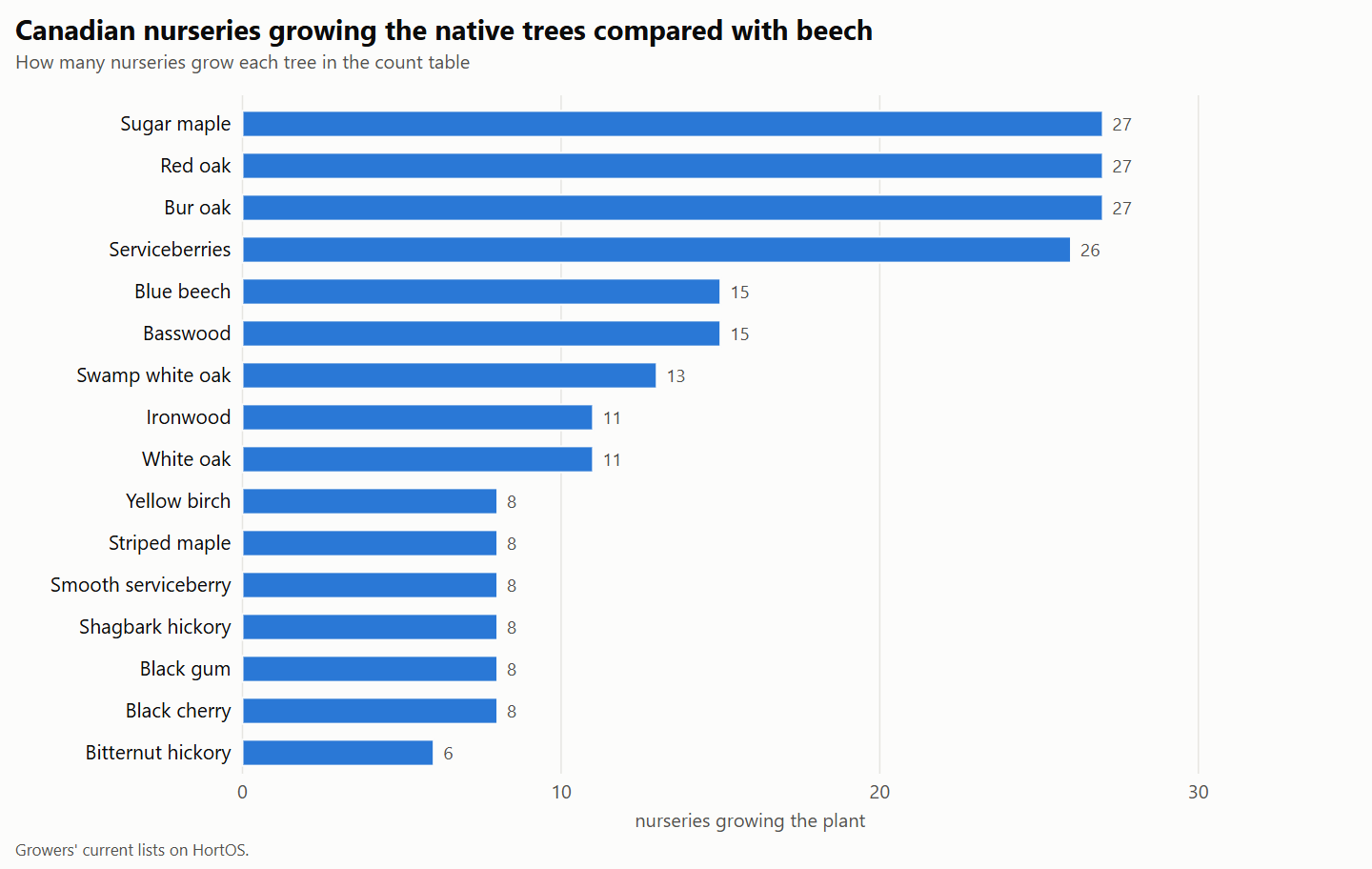
Beech leaf disease in Ontario and native trees compared with beech
For conservation authorities, naturalist clubs and land trusts in Canada: the dated record of beech leaf disease in Ontario, what the authorities say of the disease and of a diseased beech, and a comparison of American beech with native trees from Ontario's Tree Atlas on height, shade and wildlife food, with how many Canadian nurseries grow each. Counts only.
Updated September 1, 2026. Counts are what the live ca.hortosapp.com plant pages printed; medians are not published yet.
Where prairie farmers order shelterbelt trees after the PFRA program
For prairie farmers, acreage owners, rural municipalities and watershed districts: where shelterbelt seedlings come from since the federal program ended in 2013. SaskPower's notice of no Shand Greenhouse seedlings for spring 2027 leads, followed by a calendar of free, subsidized and cost-shared programs in three provinces with their ordering windows as read, and links to nurseries by province.
Updated October 22, 2026. Counts are what the live ca.hortosapp.com plant pages printed; medians are not published yet.
Farm payments for shelterbelts, buffers and wetlands in Canada
The Resilient Agricultural Landscape Program pays for shelterbelts, water buffers and wetlands on different terms in Alberta, Saskatchewan and Ontario. This page sets their caps, rates and intake status side by side as read in October 2026, with one Ontario watershed's shelterbelt terms, and says what to ask the program and the nursery.
Updated October 16, 2026. The sources are listed at the foot of the page.