Planting an Allotment or Community Plot, Season by Season
A plot is planted by its own district's calendar, worked back from the frost dates, with permanent edges that stay while the beds turn over. This page explains reading a district's season, a planting calendar by season, the permanent plants that frame a plot and the plot rules that shape it.
Updated October 24, 2026. Counts from the live ca.hortosapp.com plant pages on 25 October 2026; median trade prices are not published for Canada yet.
On this page
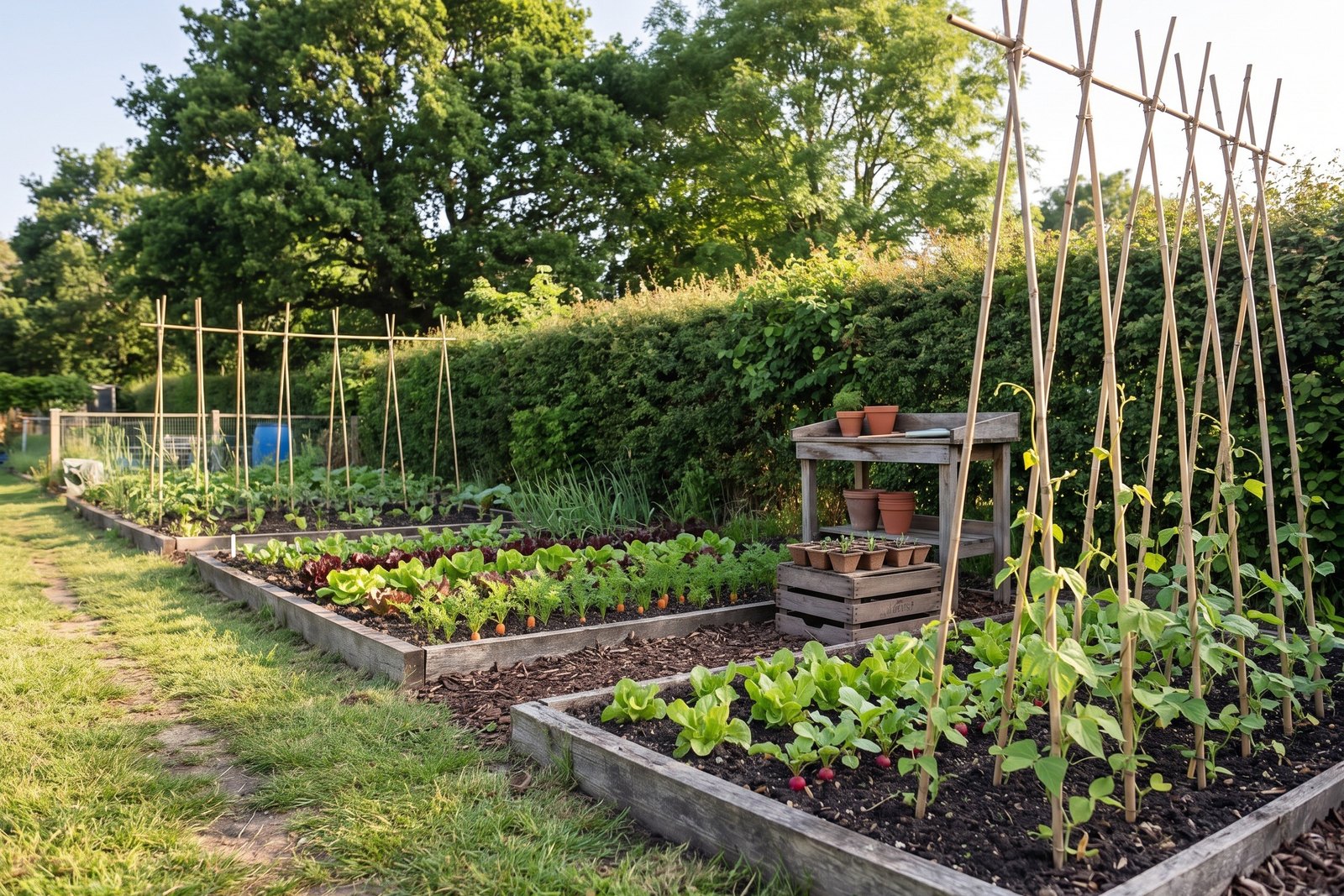
A new plot holder usually plants everything at once in the first warm weekend, and by midsummer the plot is either bare or buried. The one idea that matters most is that a plot is planted by the calendar of its own district, worked back from the frost dates, with permanent edges that stay while the annual beds turn over.
This page sets out how to read a district's season, a planting calendar by season, the permanent plants that frame a plot, and the plot rules that shape what goes in. It draws on the climate services and extension calendars named below, and on HortOS, a free directory of Canadian wholesale plant growers with their published availability and trade prices, for the permanent plants growers list. The crops named are examples, and the local calendar has the last word.
Quick facts
| Start from frost | The last spring frost and the first fall frost set the calendar. Find them for the district, not the country. |
|---|---|
| Count back | For a crop that must finish before frost, count back its days to maturity plus a few weeks for picking. |
| Two halves | Most plots grow a warm-season half and a cool-season half. Each needs its own sowing dates. |
| Permanent edges | Herbs, berries and flowering perennials along the edges stay for years and feed pollinators while the beds turn over. |
| Plot rules | Most community garden rules limit trees, shade and structures. Read them before planting anything permanent. |
| Where the growers are | Perennials and fruit come from growers on the province hubs: Ontario, Quebec, British Columbia. |
Reading your district's season
The Old Farmer’s Almanac gives average last spring and first fall frost dates for Canadian places by postal code, and says its dates use a 30 percent probability threshold, so frost is still possible after them. Prairie and northern plots may have well under four frost-free months.
The same arithmetic works in a short season: find the first fall frost date and count back the crop's days to maturity plus two or three weeks for harvest. In a season this short, transplants rather than seed buy the time a crop needs.
Within one site the season also differs from plot to plot. A low corner where cold air pools frosts first and last, a plot against a sunny wall warms early, and a windy plot dries out fast. Watch where frost lies on the first cold mornings and where snow or frost melts first, and plant the tender crops in the warm spots and the hardy ones in the cold.
A planting calendar by season
The calendar below is a starting point for a temperate district. Move every date earlier where frosts end early and later where they run late, and confirm it against the local calendar.
| Season | Sow or plant | Also do |
|---|---|---|
| Early spring, 4 to 6 weeks before last frost | Peas, spinach, lettuce, onions and potatoes | Turn in compost, plant bare-root berries and rhubarb |
| Late spring, after last frost | Tomatoes, beans, squash and cucumbers, often as transplants | Set stakes and shelter, mulch once soil warms |
| Midsummer | Succession greens and beans in the longer seasons | Water deeply and harvest often |
| Early fall | Garlic and cover crops before freeze-up | Plant shrubs and perennials while the soil is still warm |
Keep the calendar on paper in the shed or on the plot's own notice board, with a column for what actually happened. After two or three years the plot's own record is a better guide than any published calendar, because it reflects that plot's soil, shelter and frost.
A plot that follows the two halves never sits bare. The cool-season crops go in as the warm-season crops come out, and green manure fills any bed left empty for more than a few weeks.
Permanent plants that frame a plot
The edges of a plot are where it saves the most work. A strip of herbs, a row of berries or a band of flowering perennials holds the soil, feeds pollinators that also set the vegetable crops, and means the path edge never needs digging. These are bought as small plants from growers and planted once.
The table lists permanent plants of that kind with how many growers listed each on HortOS on 25 October 2026. Counts are the nurseries each plant's page on HortOS showed as growing it on 25 October 2026. Median trade prices are not published for Canada yet.
| Plant | Nurseries growing it |
|---|---|
| Saskatoon (Amelanchier alnifolia) | 31 |
| Ninebark (Physocarpus opulifolius) | 29 |
| Black chokeberry (Aronia melanocarpa) | 26 |
| American elderberry (Sambucus canadensis) | 22 |
| Purple coneflower (Echinacea purpurea) | 22 |
| Black-eyed Susan (Rudbeckia hirta) | 20 |
| Highbush cranberry (Viburnum trilobum) | 18 |
| Wild bergamot (Monarda fistulosa) | 18 |
Of the plants in the table, Saskatoon (Amelanchier alnifolia) had the most nurseries growing it, 31, and wild bergamot (Monarda fistulosa) the fewest of those shown, 18. Native plants for a pollinator patch lists more plants for a flowering edge.
Seed, seedlings and perennials
A plot holder buys three kinds of plant material, and each has its own season. Seed is the cheapest and suits crops sown straight into the ground, such as beans, peas, carrots, radishes and leafy greens. Seedlings, raised by the plot holder or bought by the punnet, suit crops that need a head start, such as tomatoes, brassicas and onions. Perennials, from herbs and berries to rhubarb and fruit trees, are bought once from growers and planted in the cool months.
Shared seed orders and seed swaps between plot holders cut the cost of the annual crops to very little. Perennials are where buying from growers pays. A tray of herb plants for the whole site, or a set of berry canes, costs far less per plant than the same plants bought one at a time, and plot holders can split the order.
Soil between the seasons
A plot's soil is its capital, and it is spent fastest by leaving it bare. Between crops, sow a green manure such as oats, peas or clover, and dig it in before it seeds. Add compost or well-rotted manure once a year, usually as one season ends, and keep a layer of mulch on beds that are growing.
Move each family of crops to a different bed every year, so pests and diseases that build up in the soil do not meet the same crop again. A simple rotation of four beds, one each for roots, brassicas, legumes and fruiting crops, is enough for most plots.
Plot rules and good neighbours
- Trees and shade. Many plot rules forbid trees or limit them to dwarf fruit, because shade falls on the next plot. Read the rule before buying.
- Spreading plants. Mint, running bamboo and some berries spread under paths into the next plot. Grow them in sunken containers or not at all, and check the municipality's listing of invasive plants.
- Shared water. Watering rules and hose times keep a shared tap fair. Mulch reduces how often a plot needs it.
- Structures. Trellises, cages and small sheds usually need the committee's agreement. Ask before building.
What to watch for
- Planting by the first warm weekend. A warm spell before the last frost kills tender seedlings. Wait for the date, not the weather.
- Everything at once. A whole plot sown on one day is picked in one week and then sits bare. Sow small amounts every few weeks.
- A bare cool season. A plot left empty through the cool months loses soil and grows weeds. Sow a cool crop or green manure.
- Perennials in the beds. Herbs and berries planted in the middle of the beds get dug around for years. Put them on the edges.
- Ignoring the plot rules. A tree or a spreading plant against the rules can lose a plot. Read them first.
Getting it right
- Find the district's last spring frost and first fall frost, and note how reliable they are.
- Mark a warm-season half and a cool-season half on a calendar, with sowing dates for each crop.
- Plant permanent herbs, berries and flowering perennials on the plot's edges first.
- Sow small amounts every few weeks, and fill any empty bed with a cool crop or green manure.
- Read the plot rules before planting trees, spreading plants or building structures.
- Keep a notebook of what went in and when, and adjust next year's dates by it.
A word of caution
The calendar on this page is a starting point for a temperate district, and every district differs. The local climate service, extension office or gardening group sets the real dates. The plant counts are what HortOS printed on 25 October 2026, and the live pages change as growers update their lists.
Sources
- The Old Farmer's Almanac, frost dates for Canada: frost dates by postal code.
- Canadian Wildlife Federation: gardening for wildlife and pollinators.
- Evergreen: green public places and school grounds.
- Ontario Invasive Plant Council: alternatives to invasive plants.
More guides
Native Plants for a Pollinator Patch or Monarch Waystation
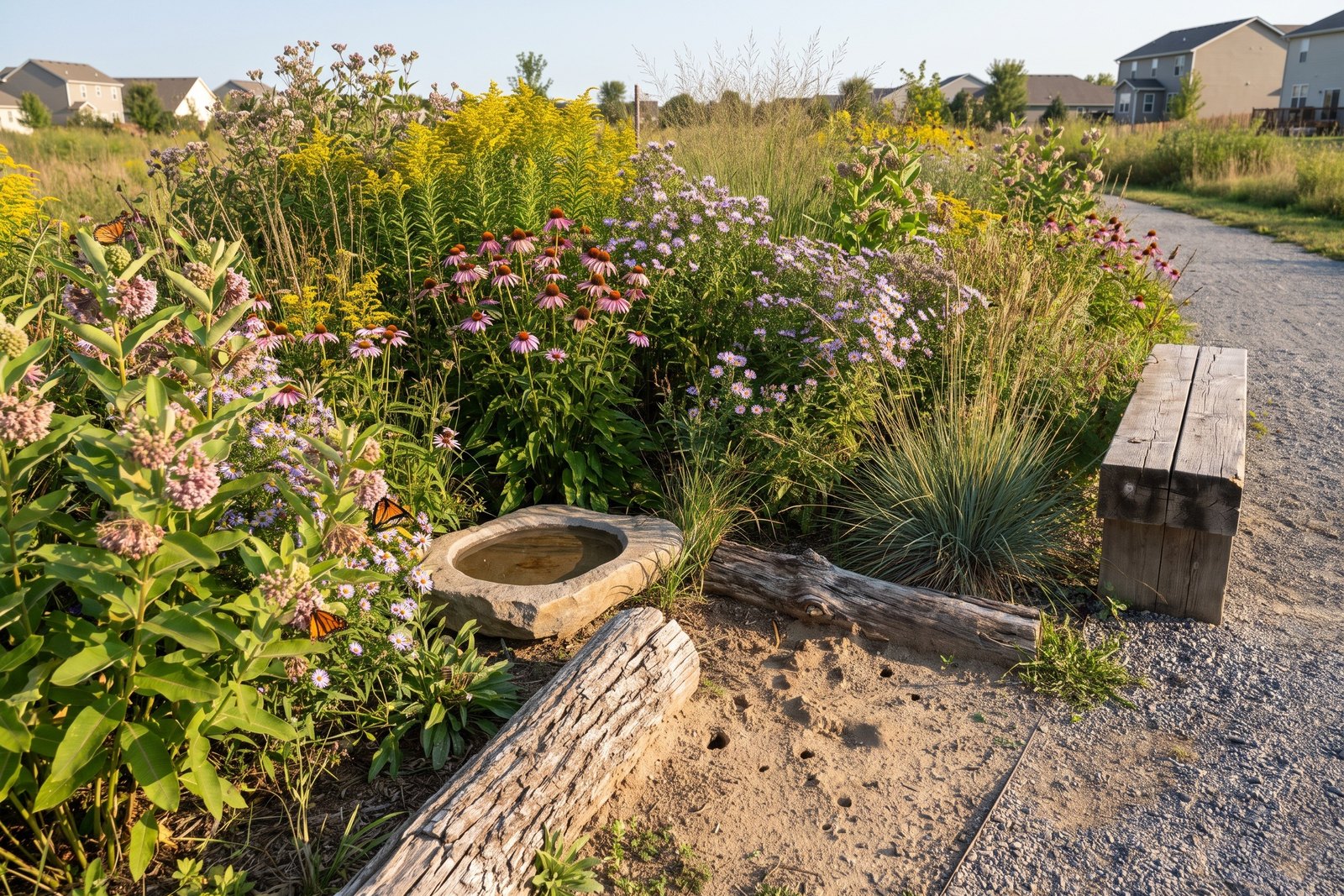
A small pollinator patch works when it does three jobs at once: flowers in sequence, host plants for caterpillars and places to nest, kept free of sprays. This page covers choosing the spot, plants by job, the milkweeds a monarch waystation needs, a flowering sequence and buying the plants.
Choosing Plants for a Community Garden on a Budget
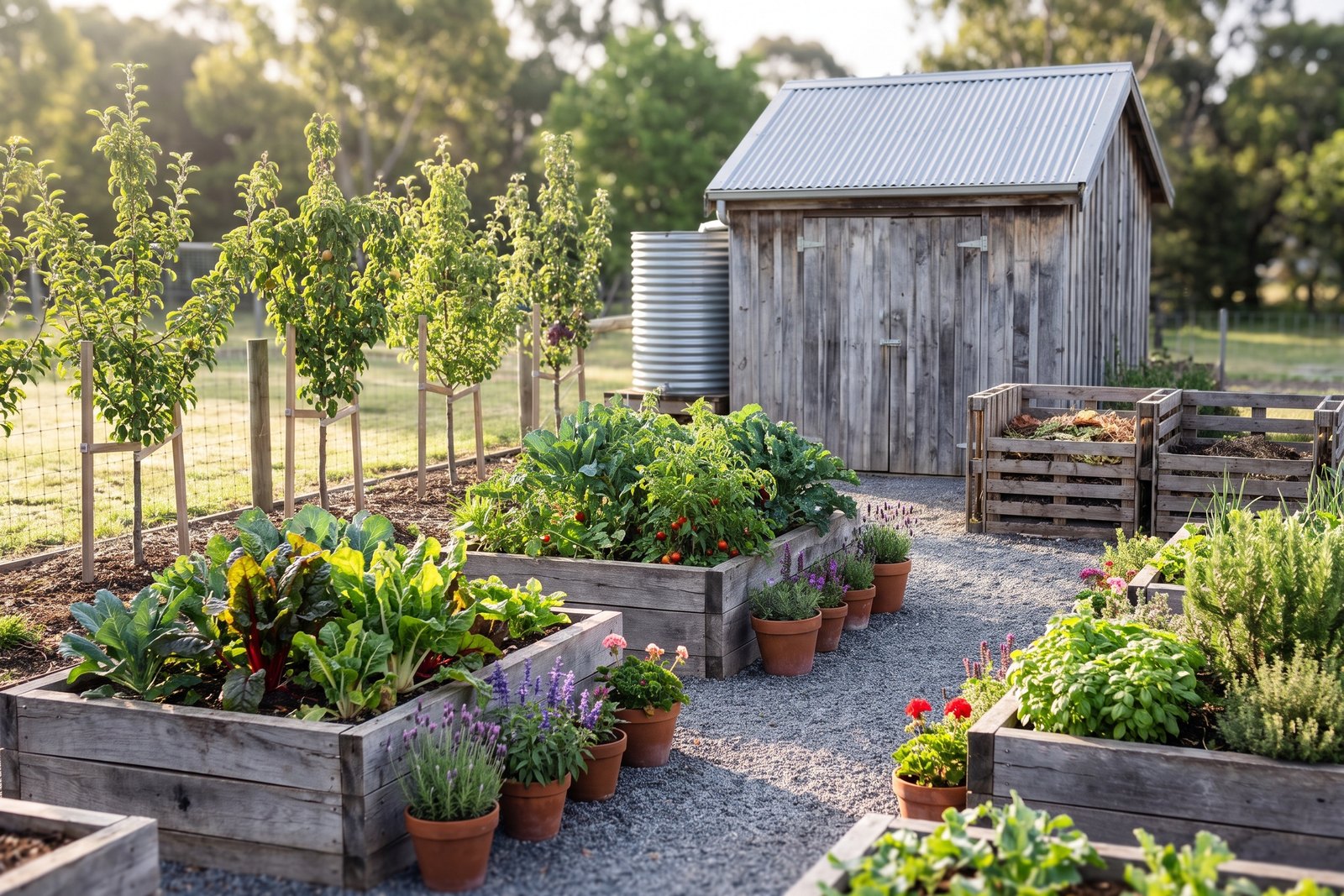
A community garden's plant budget goes furthest on plants that come back every year, bought small, from what growers list in numbers. This page sets out the order to spend in, the plants that earn their place, buying small and together, and where fruit and shade trees fit.
Planting Trees at a Park or Street Tree Event
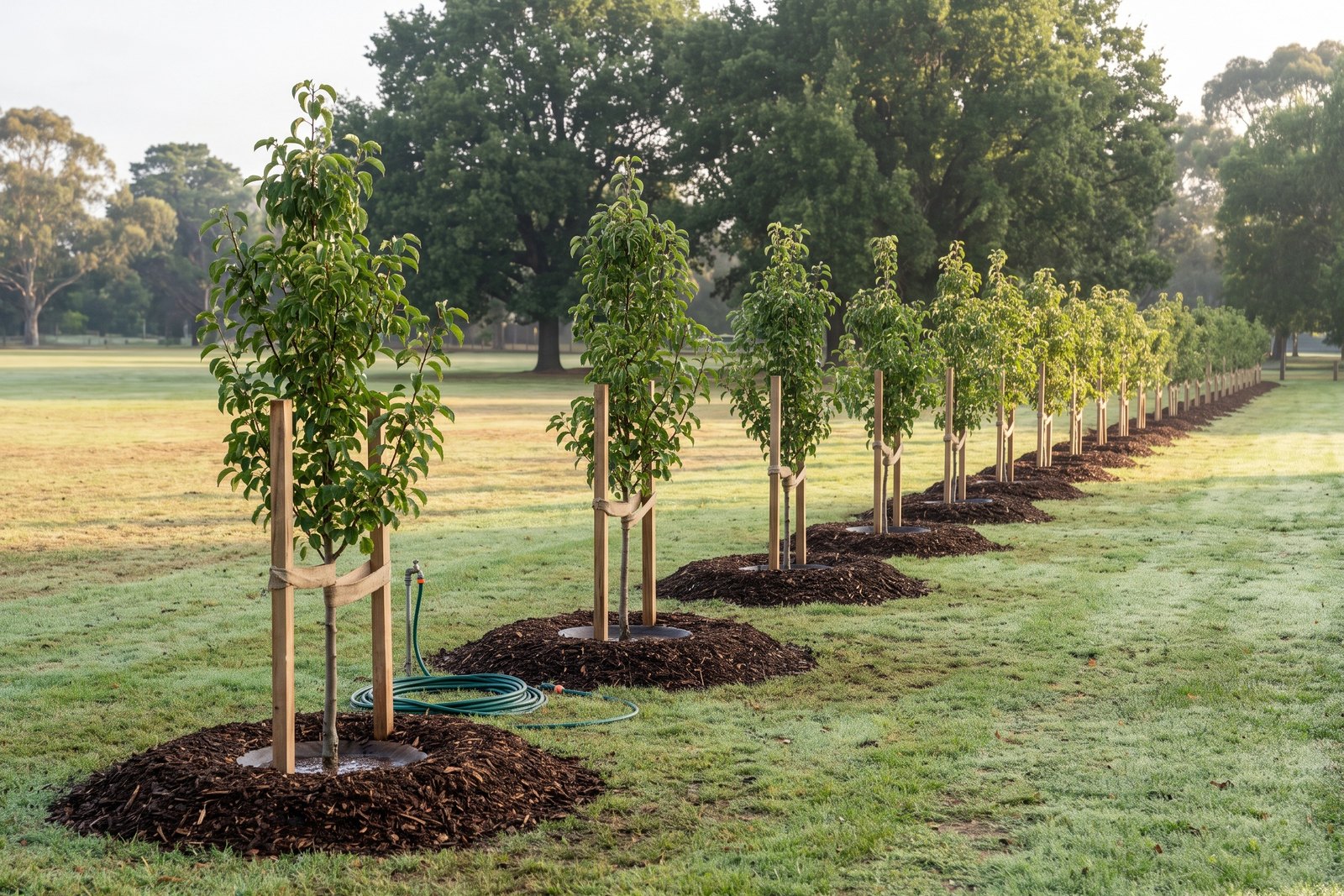
A tree planting day is judged two summers later, and the sizes, spacing and aftercare plan decided before it keep the trees alive. This page covers sizes volunteers can plant, spacing for the mature canopy, the planting method arborists publish, running the day and the first two summers.