Running a Club or Society Plant Sale
A society plant sale works when member-grown stock and plants bought in from growers are planned together. This page covers the member-grown calendar, keeping members' pots healthy, filling the gaps from growers, labels and price bands, and the records that make next year's sale better.
Updated October 24, 2026. Counts from the live ca.hortosapp.com plant pages on 25 October 2026; median trade prices are not published for Canada yet.
On this page
A garden club or plant society's annual sale is usually its biggest fundraiser and its best recruiting day, and it rests on months of members potting up divisions and cuttings. The one idea that matters most is that a society sale works when member-grown stock and plants bought in from growers are planned together, so the tables are full, healthy and labelled on the day.
This page covers the stock side of a society sale: the member-grown calendar, keeping member-grown pots healthy, filling the gaps from growers, labels, pricing and the records a society keeps. It draws on the bodies named below and on HortOS, a free directory of Canadian wholesale plant growers with their published availability and trade prices. Running a community plant sale or tree giveaway covers one-off sales and giveaways.
Quick facts
| Start early | Divisions and cuttings for a spring sale are potted up in fall and winter. Most plants need eight to twelve weeks in the pot to look saleable. |
|---|---|
| Healthy pots | Member-grown pots carry members' soil. Check every pot for weeds, pests and disease before it goes on a table. |
| Fill the gaps | Plants bought in from growers fill the gaps in the member-grown range and anchor each table. |
| Label everything | Every pot carries the common name, the botanical name and a short note on its needs. |
| Price in bands | Two or three price bands by pot size are quicker to run than a price on every plant. |
| Where the growers are | Growers near the society are on the province hubs: Ontario, Quebec, British Columbia. |
The member-grown calendar
Work back from the sale date. Members divide perennials and grasses as they finish their season, take cuttings when shrubs are in the right state, and sow seed so seedlings are large enough to pot on two months before the sale. A society that publishes a potting calendar to members at the start of the year gets a fuller sale than one that asks for pots a month before.
- Six months out. Book the venue and the date, and send members the potting calendar and the list of plants the sale needs most.
- Three to four months out. Members pot up divisions and cuttings in clean mix. The plant sale chair decides what to buy in.
- One month out. Order the bought-in plants for delivery the week before. Members bring pots to a central holding area for checking.
- The week before. Check, label and price every pot. Water the holding area daily.
Keeping member-grown pots healthy
Member-grown pots carry members' soil, and with it any weed seed, pest or disease in that soil. The Canadian Food Inspection Agency sets the rules for plants that move between provinces, and the Ontario Invasive Plant Council lists invasive plants a society should never offer, with native alternatives.
- Clean mix. Pot divisions into fresh potting soil, not garden soil, and shake off as much garden soil as the plant allows.
- Check every pot. Tip a sample out of its pot and look at the roots and the mix. Reject pots with weeds, pests or a sour smell.
- No invasive plants. Check every member-grown pot against the invasive plant lists of the province and the municipality.
- Hold before selling. A central holding area a week or two before the sale lets the plant sale chair check pots and spot problems before buyers do.
Filling the gaps from growers
Member-grown stock is strong on perennials and divisions and weak on the reliable sellers visitors look for. Bought-in plants fill that gap. Order the plants that sell at every sale, in the sizes visitors carry home, so each table has a solid core around the members' plants. Buying plants in bulk for a community group explains trays, minimums and quotes.
The table lists plants of the kind that anchor a sale table, with how many growers listed each on HortOS on 25 October 2026. Counts are the nurseries each plant's page on HortOS showed as growing it on 25 October 2026. Median trade prices are not published for Canada yet.
| Plant | Nurseries growing it |
|---|---|
| Ninebark (Physocarpus opulifolius) | 29 |
| Black chokeberry (Aronia melanocarpa) | 26 |
| Purple coneflower (Echinacea purpurea) | 22 |
| Black-eyed Susan (Rudbeckia hirta) | 20 |
| Wild bergamot (Monarda fistulosa) | 18 |
| Dense blazing star (Liatris spicata) | 17 |
| Blue flag iris (Iris versicolor) | 16 |
| Bush honeysuckle (Diervilla lonicera) | 12 |
| Foxglove beardtongue (Penstemon digitalis) | 11 |
| Meadowsweet (Spiraea alba) | 8 |
| New England aster (Symphyotrichum novae-angliae) | 6 |
Of the plants in the table, ninebark (Physocarpus opulifolius) had the most nurseries growing it, 29, and New England aster (Symphyotrichum novae-angliae) the fewest of those shown, 6. A plant many growers list is easy to reorder for next year's sale.
Labels and pricing
The UF/IFAS Extension guide to plant labels in demonstration gardens follows the New York Botanical Garden's format, with the common name followed by the accepted scientific name in italics. A sale label needs the same two names, plus the plant's height, its sun and water needs, and the society's name. Ask members to write labels by hand at home, which saves time in the week before the sale.
Price in bands by pot size rather than plant by plant, with a higher band for unusual plants and larger pots. Work the bands out from what the bought-in plants cost, with GST or HST and freight where they apply, and from what the society needs to raise. A price list on each table and one at the cashier keep the queue moving.
The day itself
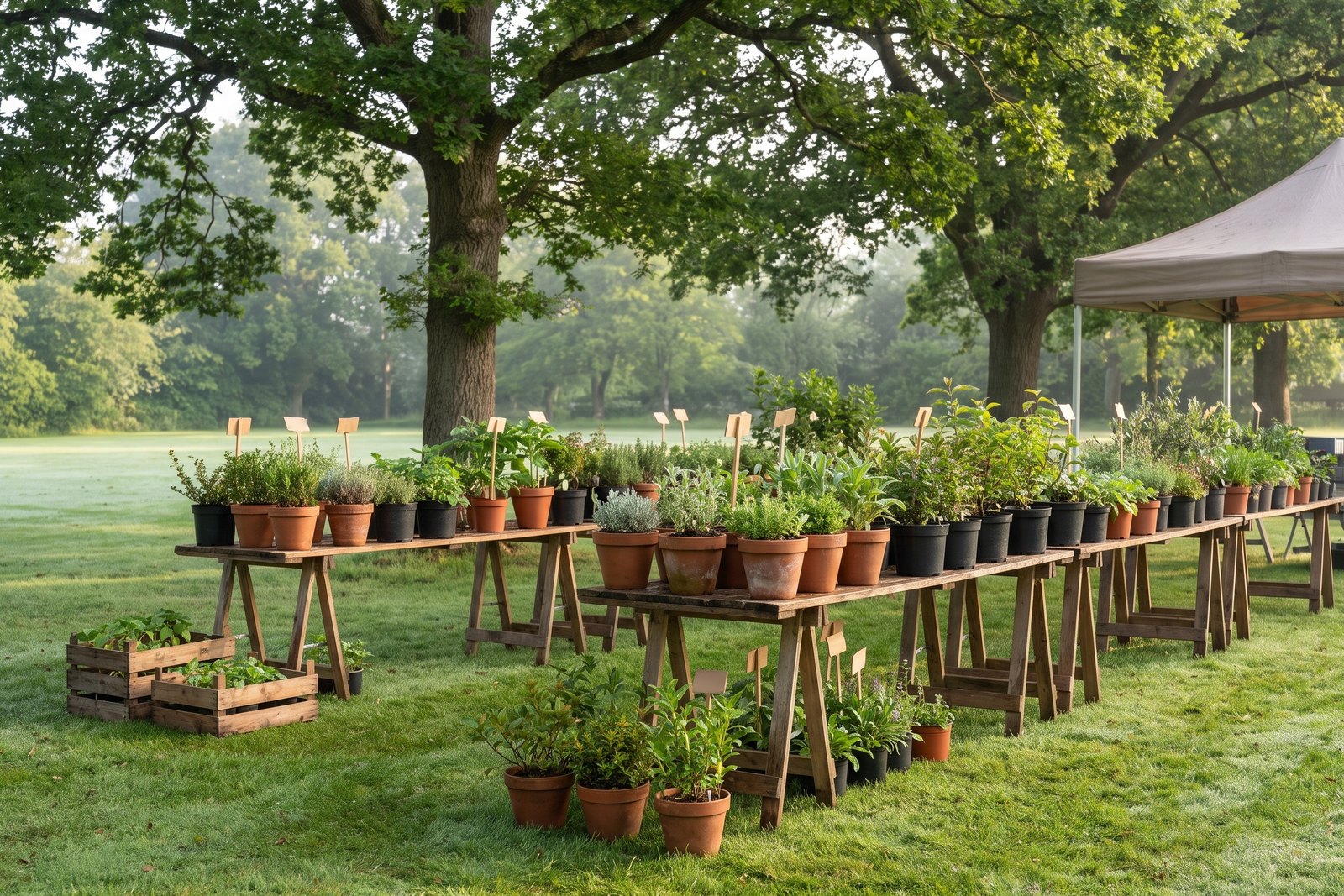
Lay the sale out so buyers move one way past every table, with the cashier near the exit and a holding area beside it where buyers can leave plants while they keep looking. Group the tables by kind of plant rather than by member, so natives, perennials, herbs and shrubs each have a home and a buyer looking for one kind finds it quickly.
Give each table a member who knows its plants and can answer questions. A help table with the society's own advice, membership forms and the dates of its next meetings turns buyers into members, which for many societies is worth more than the takings. Keep a few trays back to refill the tables through the morning, so the sale still looks full for buyers who arrive late, and water everything early on the morning of the sale.
Records and the next sale
Keep a simple record of what sold, what did not, and what visitors asked for. Next year's potting calendar and bought-in order start from it. Record the society's takings, costs and any tax collected for the treasurer, and note which growers supplied the bought-in plants and how they did.
What to watch for
- Potting up late. A division potted days before the sale looks it, and buyers notice. Pot up two months ahead.
- Unchecked member pots. One pot of an invasive plant or a soil pest damages the society's name. Check every pot.
- Plants with no label. A plant without a name does not sell and cannot be traced if it is wrong. Label everything.
- Price on every pot. Individual prices slow the cashier and lead to mistakes. Use bands.
- No record of what sold. Without it, next year's sale repeats this year's gaps.
Getting it right
- Fix the date and send members a potting calendar six months out.
- Pot divisions and cuttings into clean mix three to four months ahead.
- Order bought-in plants from growers near the society for delivery the week before.
- Check every member-grown pot in a central holding area, and reject any that fail.
- Label every pot with both names and its needs, and price in bands.
- Record what sold and what visitors asked for, and start next year's plan from it.
A word of caution
Plant health and movement rules belong to the agencies named here, and the society's treasurer and the Canada Revenue Agency decide how a sale is taxed. The counts and prices are what HortOS printed on 25 October 2026, and the live pages change as growers update their lists. On stock and terms the grower's word is the one that counts.
Sources
- Canadian Food Inspection Agency, directive D-04-01, Canadian Nursery Certification Program: certification and plant movement.
- Ontario Invasive Plant Council: alternatives to invasive plants.
- UF/IFAS Extension, Interpretive Signage in Educational Demonstration Gardens, Part 2: label format and sign placement.
- Landscape Ontario: the provincial horticultural trades association.
More guides
Running a Community Plant Sale or Tree Giveaway
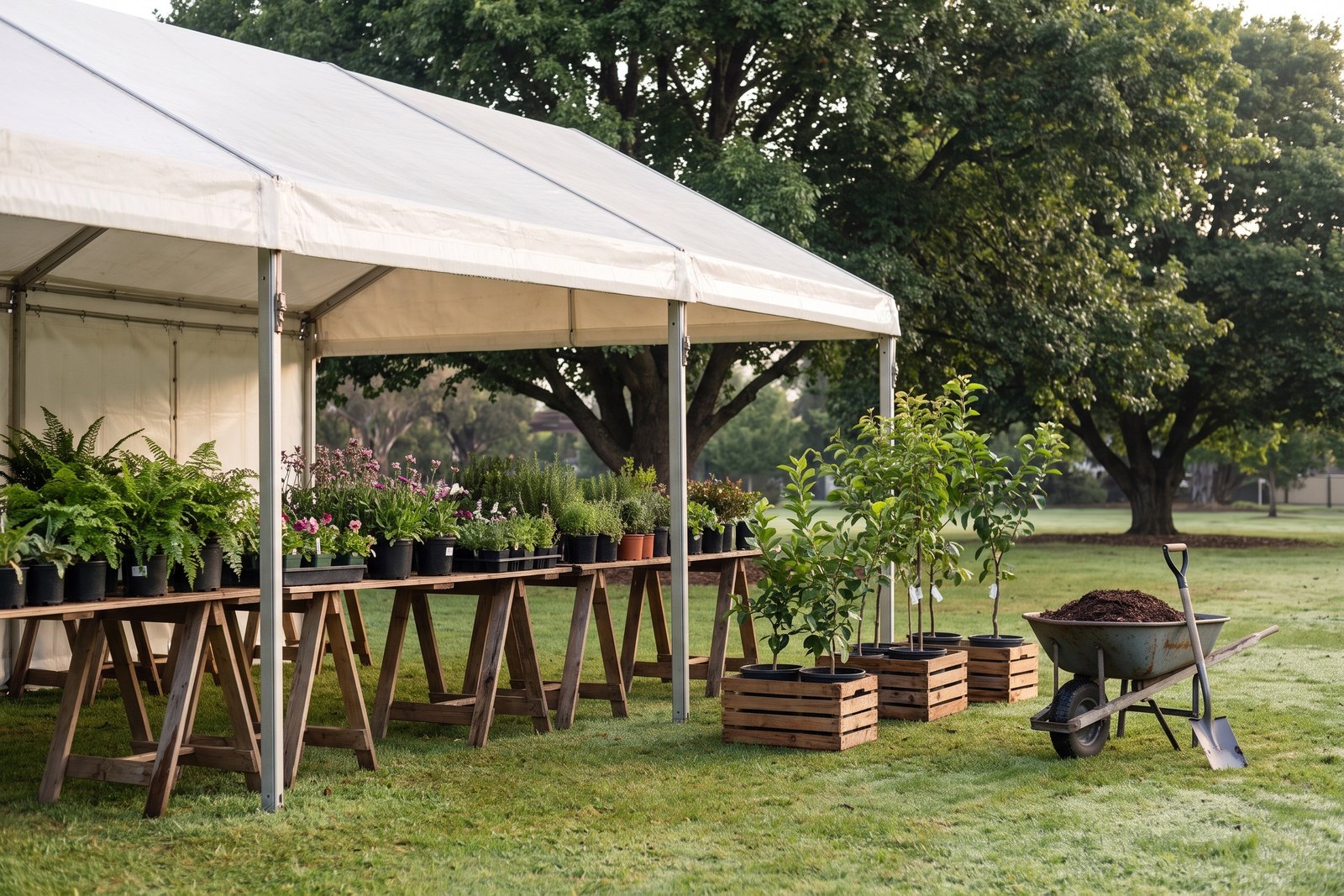
A plant sale or a tree giveaway is a wholesale order with a date on it. This page sets out how a club, school, friends group or council plans the stock: what sells and what gives well, ordering for a date, receiving and holding the plants, the rules a sale meets, and the mistakes that send plants home unsold.
Buying Plants in Bulk for a Community Group
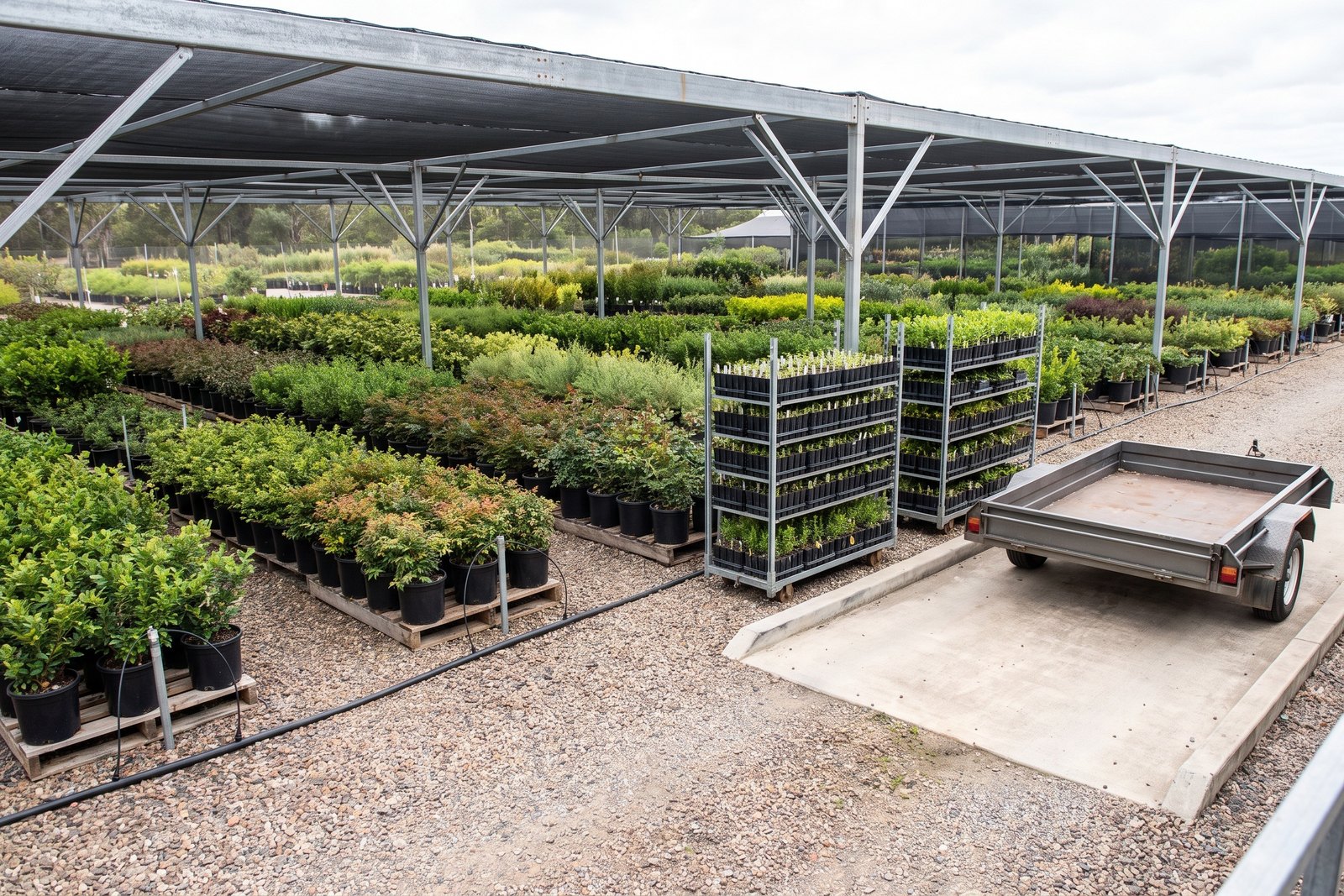
Garden clubs, community gardens, schools and friends groups can buy plants by the tray and the cart from wholesale growers when they order like the trade. This page explains what bulk means to a grower, the three ways a group buys, how to turn a plan into quantities, what a quote request needs and how collection day works.
Choosing Plants for a Community Garden on a Budget
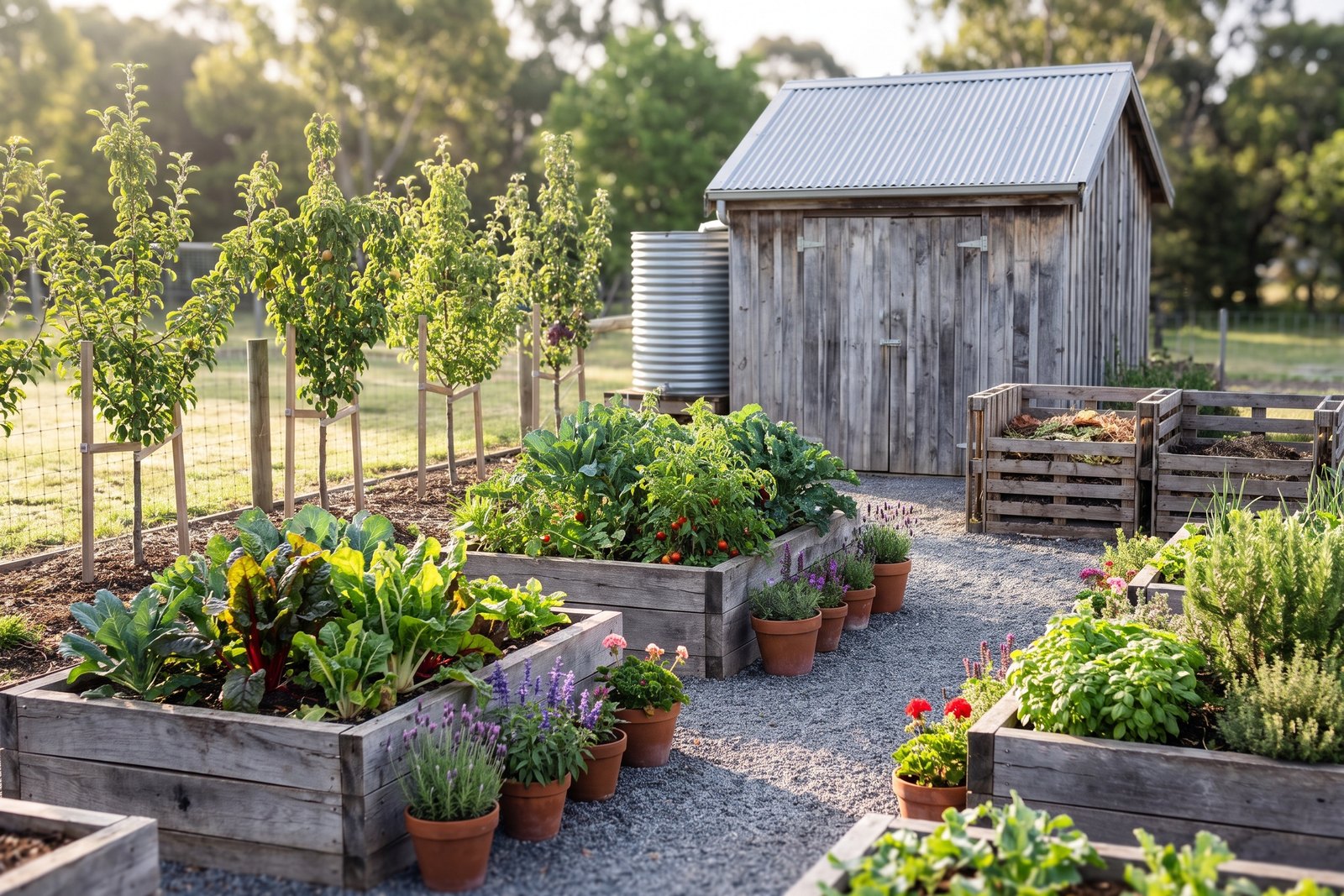
A community garden's plant budget goes furthest on plants that come back every year, bought small, from what growers list in numbers. This page sets out the order to spend in, the plants that earn their place, buying small and together, and where fruit and shade trees fit.