- Type
- Semi-evergreen shrub
- Height
- 0.6 m to 1.2 m
- Spread
- 0.6 m to 0.9 m
- Growth
- Slow
- Flowers
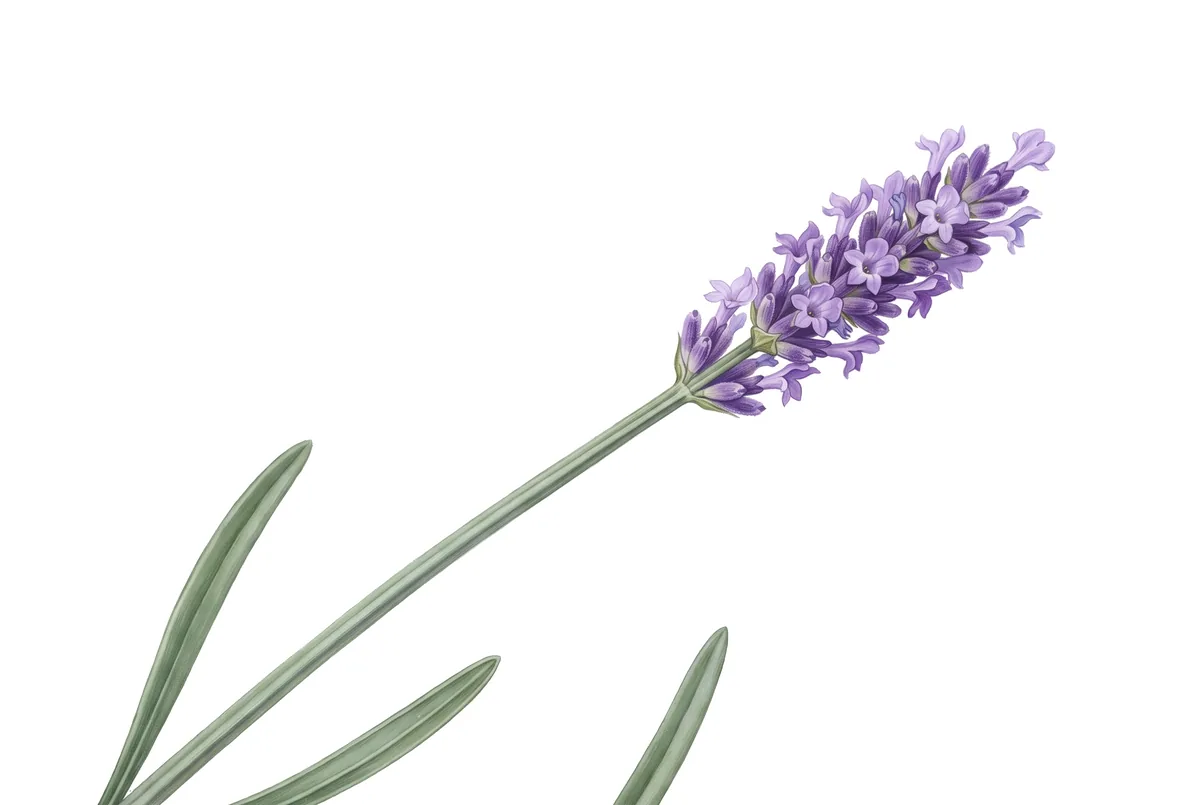
- Lavender, summer (NC State; Missouri Plant Finder), later than other lavenders by NC State
- Sun
- Full sun (NC State; Missouri Plant Finder)
- In Canada
- Not native
Growing lavandin
Hardiness. No Canadian reference read gives lavandin a hardiness zone. NC State gives USDA zones 5 to 8. The Missouri Plant Finder says lavandin is not reliably winter hardy throughout USDA zone 5, where it appreciates a sheltered spot and winter protection, and that plants may not survive the winter where the soil is not well drained, or in deep cold without protective snow cover.
Sun and soil. Both American references ask for full sun and well-drained, alkaline soil, dry to medium, and NC State says it will not grow in shade. The Missouri Plant Finder says good drainage matters above all in winter, that root rot commonly attacks plants in poorly drained soil, and that lavandin prefers a light, sandy soil of somewhat low fertility. It suggests rock rather than organic mulch where summers are humid.
Care. The Missouri Plant Finder suggests removing faded flowers to keep it blooming, pruning to shape in spring after the new leaves appear, and cutting back to 20 cm every 3 years in spring to control its size and renew growth. NC State advises against trimming in autumn, since the new growth that follows may not be cold hardy. Both name leaf spot and root rot as its problems.
Using lavandin
NC State says lavandin is grown as an ornamental, above all in herb gardens, and commercially for its oil, and that its flowers suit cutting and drying. The Missouri Plant Finder says it is rarely used in cooking but often added to sachets and potpourri, and, on its page for Grosso, suggests it for the front of a border, rock, herb and scented gardens, massed, or as an edging. NC State lists butterflies, bees and moths among its visitors and deer among the challenges it resists, and the Missouri Plant Finder, on the same Grosso page, says deer and rabbits tend to avoid it.
On ca., growers list lavandin by its cultivars, among them Grosso, Phenomenal, Provence and Sensational.
What to check before you buy
The Missouri Plant Finder notes that the hybrid's cultivars vary somewhat in habit, flower colour, strength of scent and bloom time, so the cultivar name on a line says which lavandin it is. Each cultivar's page shows the sizes growers list, and the guide to plant grades and container sizes explains the container classes. What to check before stock leaves the grower is in the guide to nursery plant quality.
Cautions
NC State gives lavandin a low poison severity: eaten in large amounts, the flowers, leaves and stems may cause mild nausea and vomiting, from the linalool and linalyl acetate they contain.
Used formass plantingcut flower
Prices are set by each grower and shown ex tax. Availability is confirmed by the grower at order.
Common questions
- What is the difference between lavandin and English lavender?
- Lavandin is a hybrid of English lavender and Lavandula latifolia. NC State says it is somewhat less hardy than its parents but grows larger, with more fragrant and showy flower spikes, and blooms later than other lavenders, from July to September.
- Is lavandin native to Canada?
- No. NC State gives its region of origin as south-eastern France and north-eastern Spain.
- Why does lavandin die over winter?
- The Missouri Plant Finder says root rot commonly attacks plants in poorly drained soil, that drainage matters most in winter, and that plants may not survive deep cold without protective snow cover.
- Can lavandin flowers be cut and dried?
- Yes. NC State says the blooms suit cut flowers and drying, and the Missouri Plant Finder says lavandin is often added to sachets and potpourri.
Sources
- GBIF species match API: Lavandula × intermedia
- VASCAN, the Database of Vascular Plants of Canada: name search for Lavandula × intermedia, Lavandula intermedia and the genus Lavandula (no match)
- North Carolina State Extension Gardener Plant Toolbox: Lavandula × intermedia
- Missouri Botanical Garden Plant Finder: Lavandula × intermedia 'Grosso', its account of lavandin
- The HortOS catalogue for Canada (the names growers list it under)
- The HortOS guides for Canada (plant grades and container sizes by market; nursery plant quality)
The growers, sizes and prices above are live and change as lists arrive. Cite this page: HortOS, Lavandin (Lavandula × intermedia), https://ca.hortosapp.com/plants/lavandula-intermedia.
Found a fact that is wrong? Tell us and it is checked against its source.